

Why I joined WoundScribe.AI
In 2005, a moment of clarity inside a busy wound clinic revealed a systemic failure in how care was delivered to vulnerable patients. What began as an effort to bring wound care directly to patients exposed deeper challenges—fragmented workflows, limited access to expertise, and the inability to scale clinical experience. Two decades later, applied intelligence has finally made it possible to solve those problems. This is the story of why the future of wound care depends not on more products, but on better understanding, consistency, and decision support—wherever patients are treated.
Skin Substitutes After the 2026 CMS Rule: How WoundScribe Helps Everyone Win
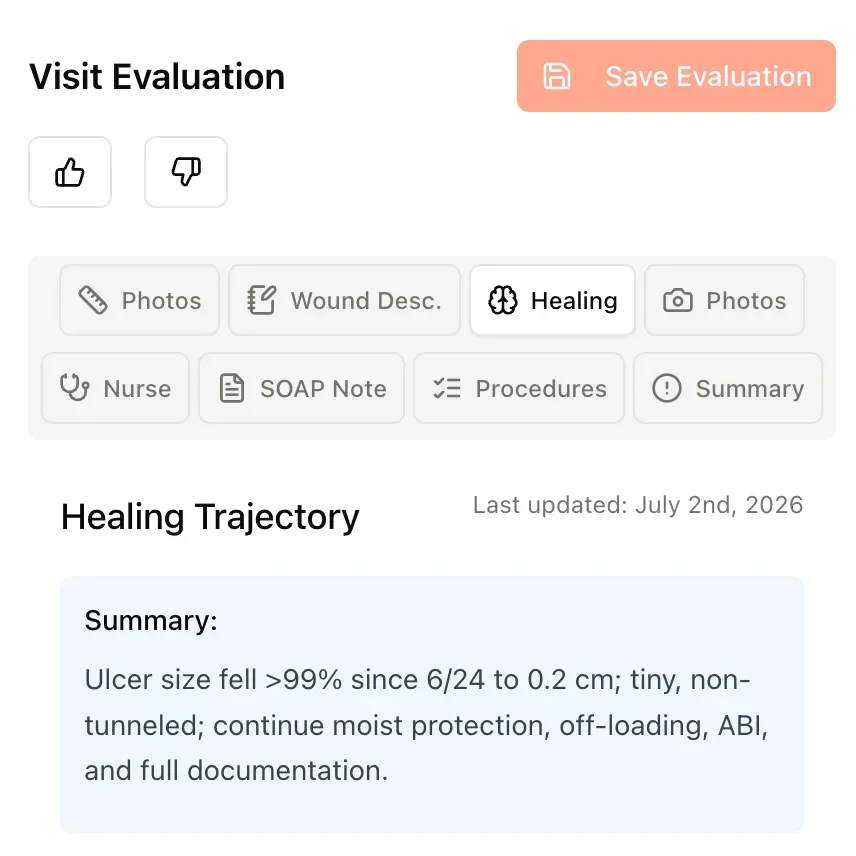
WoundScribe helps providers select the right skin substitute, document cleanly, and prove outcomes under the 2026 CMS rule, benefiting patients and manufacturers.
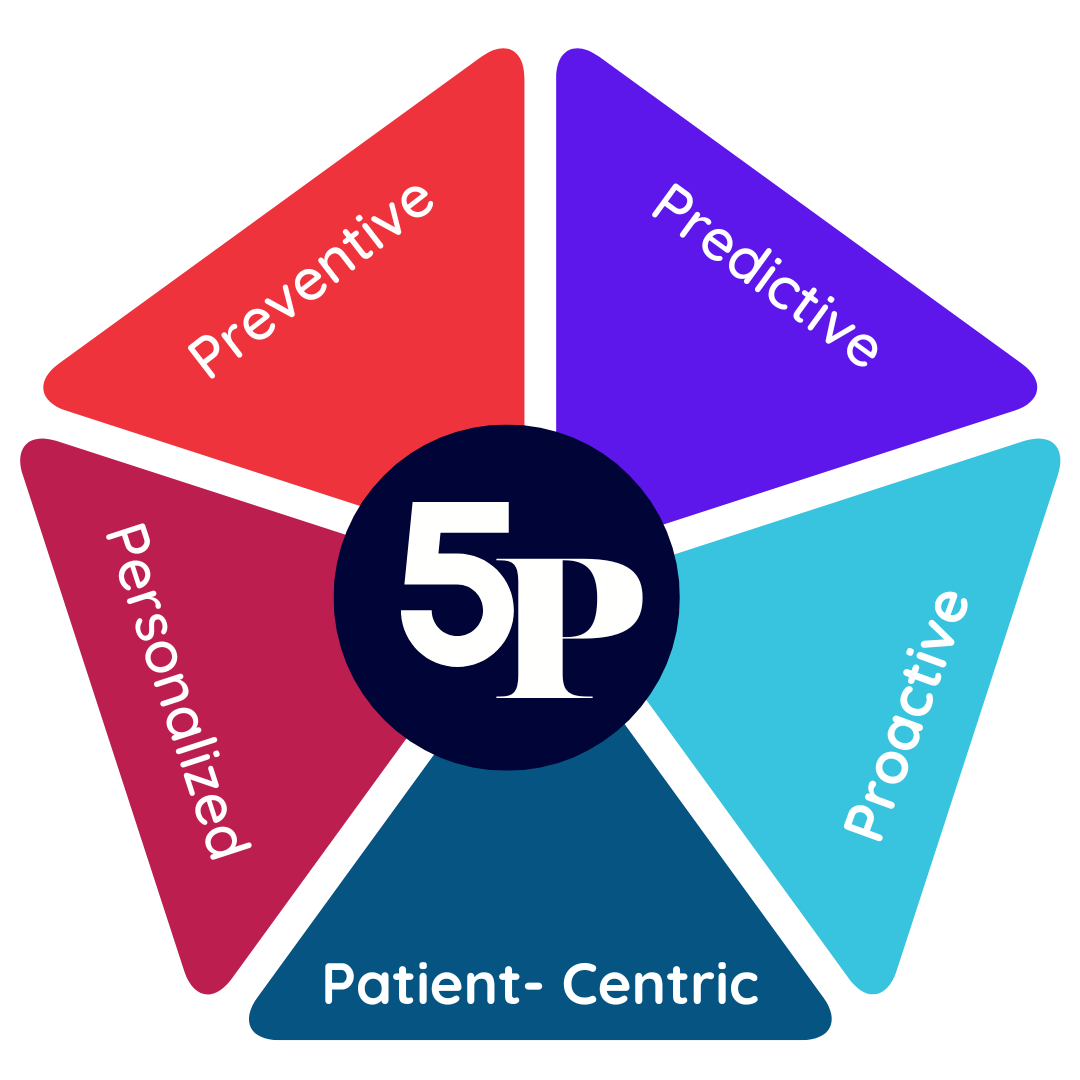
5 Pillars of Precision Health
Precision health is built upon five key pillars: Personalized, Preventive, Predictive, Proactive, and Patient-centric. Each of these pillars plays a critical role in tailoring healthcare to the unique needs of each individual, marking a significant shift from the one-size-fits-all approach.

Why Scribe AI is a feature and not a product
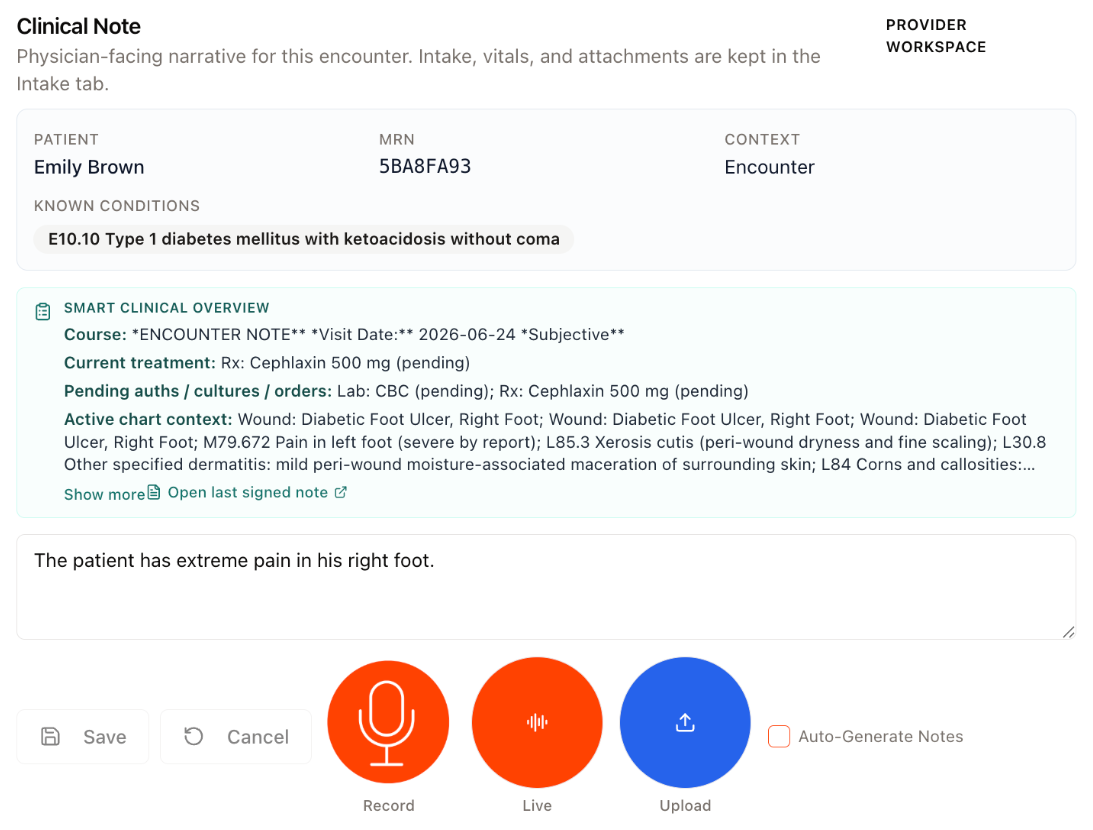
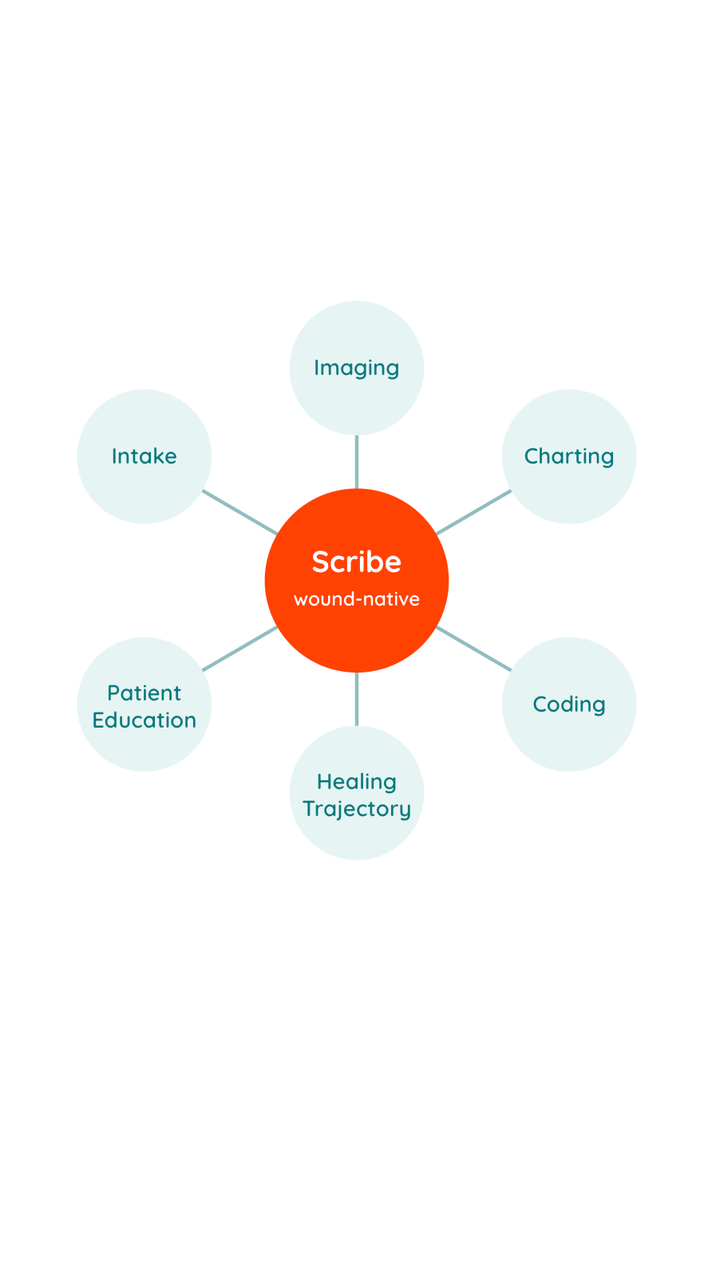
At Pingoo.AI, we believe that Scribe AI should be considered as a standard feature in healthcare, not just another product. That’s why we’re offering our Scribe AI technology for free to diabetes and diabetic foot care clinics.

Harnessing Technology to Enhance Family Engagement and Alleviate Clinician Burnout in Acute Healthcare
By harnessing AI technologies to activate families as co-participants in acute care, we can improve patient and family experience, clinical outcomes, and clinician satisfaction.
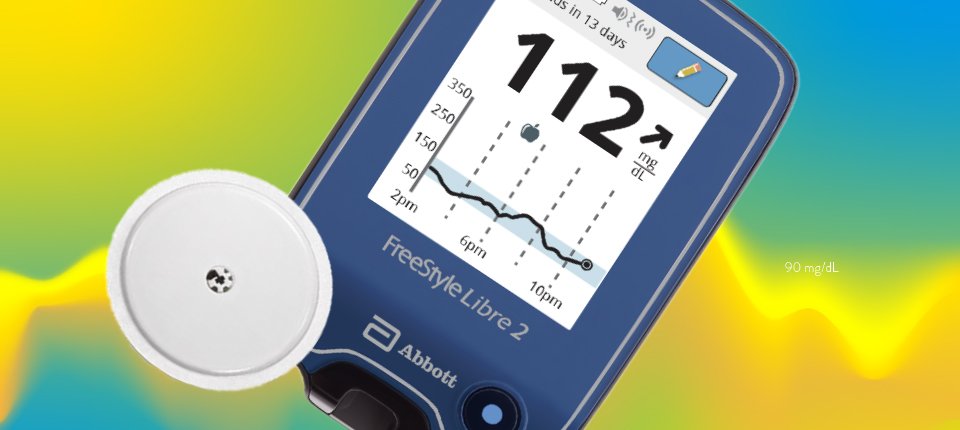
Pingoo.AI Health Coach: Your Companion for Maximizing the Benefits of the Latest Diabetes Technology
Pingoo.AI Health Coach: Your Companion for Maximizing the Benefits of the Latest Diabetes Technology

Understanding Pingoo's Position in the Diabetes Technology Solutions
At Pingoo, we’re dedicated to transforming the way diabetes is managed through innovative technology. Recently, we’ve mapped our position in the Gartner Magic Quadrant to help our stakeholders understand where we stand in the market and our future trajectory. This article provides an in-depth look at our current standing and the rationale behind it.

Adding Value at Every Step: Pingoo.AI's Impact on the Healthcare Adoption Cycle and Stakeholder Engagement
Pingoo stands out as a beacon in the healthcare landscape, not merely as an educational tool for patients but as a catalyst for progress throughout the healthcare adoption cycle. Its AI-driven platform provides clarity and support, transforming the way health products are developed, approved, and integrated into patient care. By providing real-time data and insights, Pingoo empowers R&D teams, aids physicians in patient communication, and offers payors tangible evidence of improved cost efficiency. This comprehensive approach ensures that every stakeholder—from the drawing board to the doctor’s office—benefits from the enhanced understanding and utilization of healthcare innovations. Join us as we unpack the multifaceted contributions of Pingoo, proving that its value stretches far beyond the final step of patient adoption.

To achieve the expected health outcomes, we need a Theory of Change
Pingoo.AI offers remarkable potential for enhancing patient care. Yet, such advancements necessitate a rigorous validation process to ensure effectiveness and safety. Rooted in the Theory of Change, Pingoo.AI exemplifies a meticulous approach to AI validation. This process is crucial for confirming the accuracy and relevance of AI-driven patient education and engagement tools. With ongoing monitoring and feedback mechanisms, Pingoo.AI not only demonstrates the capabilities of AI in healthcare but also highlights the importance of continuous improvement and adherence to high standards of reliability and ethical practice. As AI continues to evolve in the healthcare sector, such thorough validation practices are essential in ensuring these technologies deliver on their promise of better patient outcomes.