Skin Substitutes After the 2026 CMS Rule: How WoundScribe Helps Everyone Win
Match the right graft to each patient, document it perfectly, and prove outcomes, so providers, patients, and manufacturers all win under the 2026 CMS rule.
The moment
The 2026 Medicare rule reshapes how skin substitutes are selected, documented, supervised, and paid. Success now depends on evidence, efficiency, and reliable documentation, and most importantly, matching the right graft to the right patient at the right time. WoundScribe turns each encounter into a clinically optimized, audit-ready, data-rich episode, so care teams can treat confidently, patients heal faster, and manufacturers show value in the real world.
Why this matters for outcomes
Picking the correct graft is a healing decision. A mismatch can delay closure, increase re-applications, and raise complication risk. WoundScribe’s Treatment AI Agent aligns selection with patient-specific wound biology, including etiology, size, depth, exudate, perfusion risks, comorbidities, and prior response. The result is fewer trial-and-error cycles, more predictable healing trajectories, and a better patient experience.
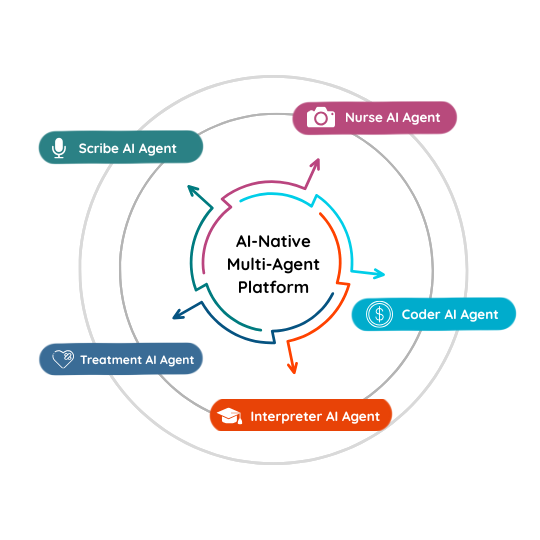
WoundScribe’s Treatment AI Agent surfaces clinically appropriate skin substitutes right inside the provider workflow, then auto-documents rationale and codes to make usage billable and audit-ready.
How WoundScribe helps
1) Point-of-care exposure for manufacturers
Your product appears in the clinician workflow when it is clinically indicated, not as a pop-up.
Phenotype-based matching and application guidance
Comparable options shown with context, including indications, preparation steps, and re-application windows
Outcome: appropriate use grows across offices, HOPDs, and RHCs or FQHCs, with physicians seeing your graft where it matters, at the bedside.
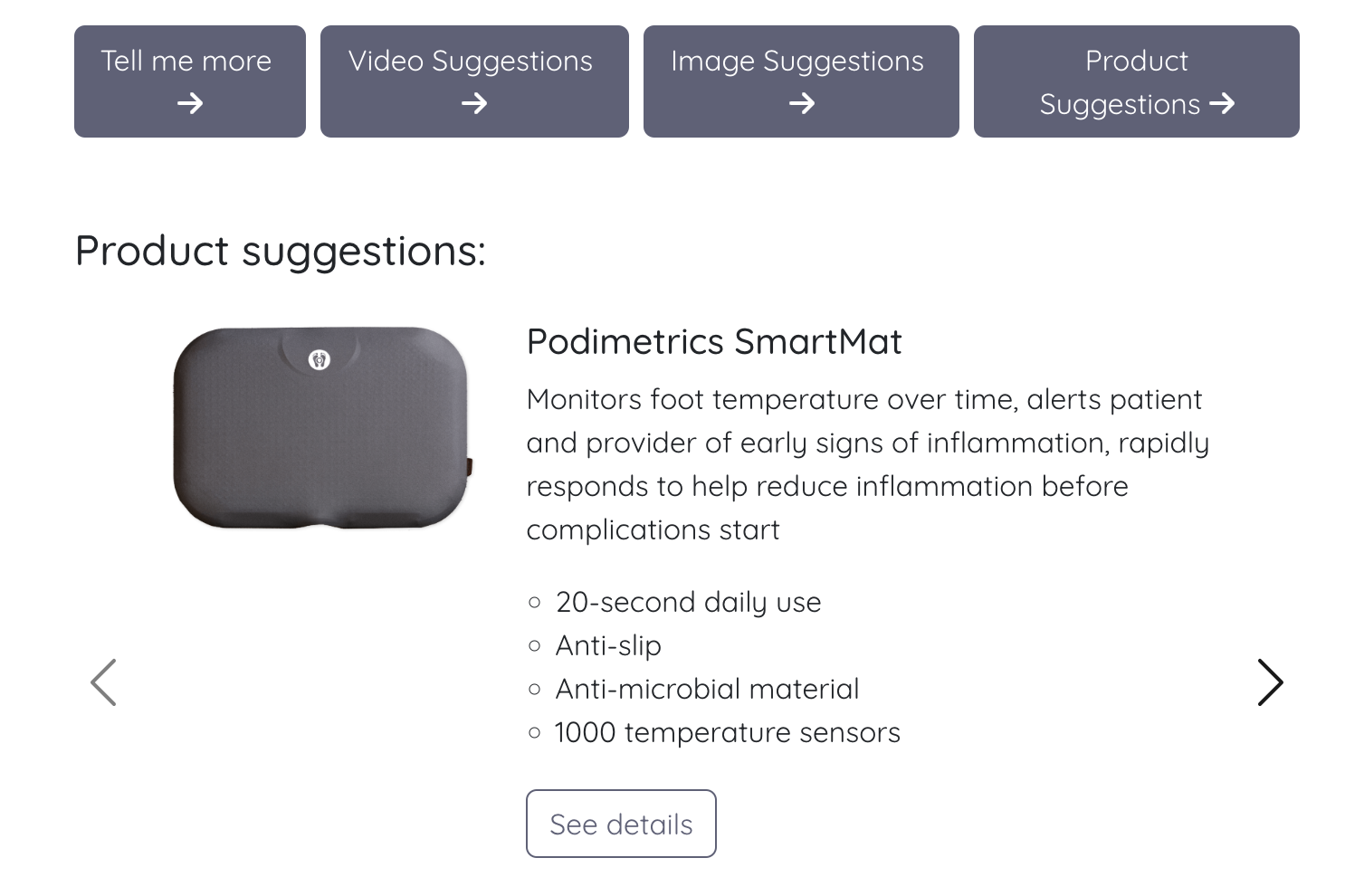
Recommended personalized products with indication, sizing, and application guidance, ready to add to the care plan.
2) Peace-of-mind charting for clinicians
WoundScribe auto-generates the full chart, including history, objective measurements, photos, tissue analysis, the clinical rationale for the chosen product, and the correct codes under the new rule, plus supervision attestations for virtual workflows.
Outcome: physicians keep clinical autonomy, they choose what is best, and WoundScribe makes it defensible, billable, and audit-ready without extra clicks.
3) Real-world evidence without trial headaches
The Healing Trajectory Report follows every treated wound with time-stamped images, area used, re-applications, and closure progress, then aggregates de-identified results across sites.
Continuous evidence that payers, IDNs, and medical affairs teams can trust, no recruitment, no retention risk, routine care at scale.
4) Safer, faster healing journeys for patients
Right graft first, personalized to wound biology and patient risks
Fewer procedures, aided by trajectory-aware nudges
Clear visit summaries and progress visuals that help patients follow care plans and stay engaged
5) Telewound and supervision built in
Virtual direct supervision and telehealth templates let teams examine wounds remotely, keep specialists involved, and reduce travel burden, while documenting every requirement for reimbursement.
Outcome: expanded access for rural and mobility-limited patients, with complete and consistent documentation.
Stakeholder benefits
Providers
Clinical confidence, AI proposes options and you decide. Operational ease, complete notes, codes, incident-to flags, and supervision attestations are handled. Financial integrity, cleaner claims and fewer denials.
Patients and families
Right treatment sooner, fewer extra visits, clearer at-home instructions, visual timelines that make progress tangible and motivating.
Manufacturers
Point-of-care visibility when clinically appropriate, an always-on evidence engine to support coverage and adoption, protocols and documentation that make your product easy to use correctly.
What is inside WoundScribe
Treatment AI Agent for phenotype-based product matching, automated documentation that is billable and audit-ready, Healing Trajectory analytics for case-level and cohort-level results, telewound and supervision toolkit for remote visits with compliant attestations, safety-net support with RHC and FQHC friendly templates and reporting.
Ready to lead under the 2026 rule, and help every patient get the right graft at the right time.