

WoundScribe On Site
The wound documentation platform that protects your facility before the surveyor arrives.
Engineered for the reality of long-term care — CMS scrutiny, rotating staff, weekend coverage gaps, and pressure ulcers that can erase a survey result overnight.
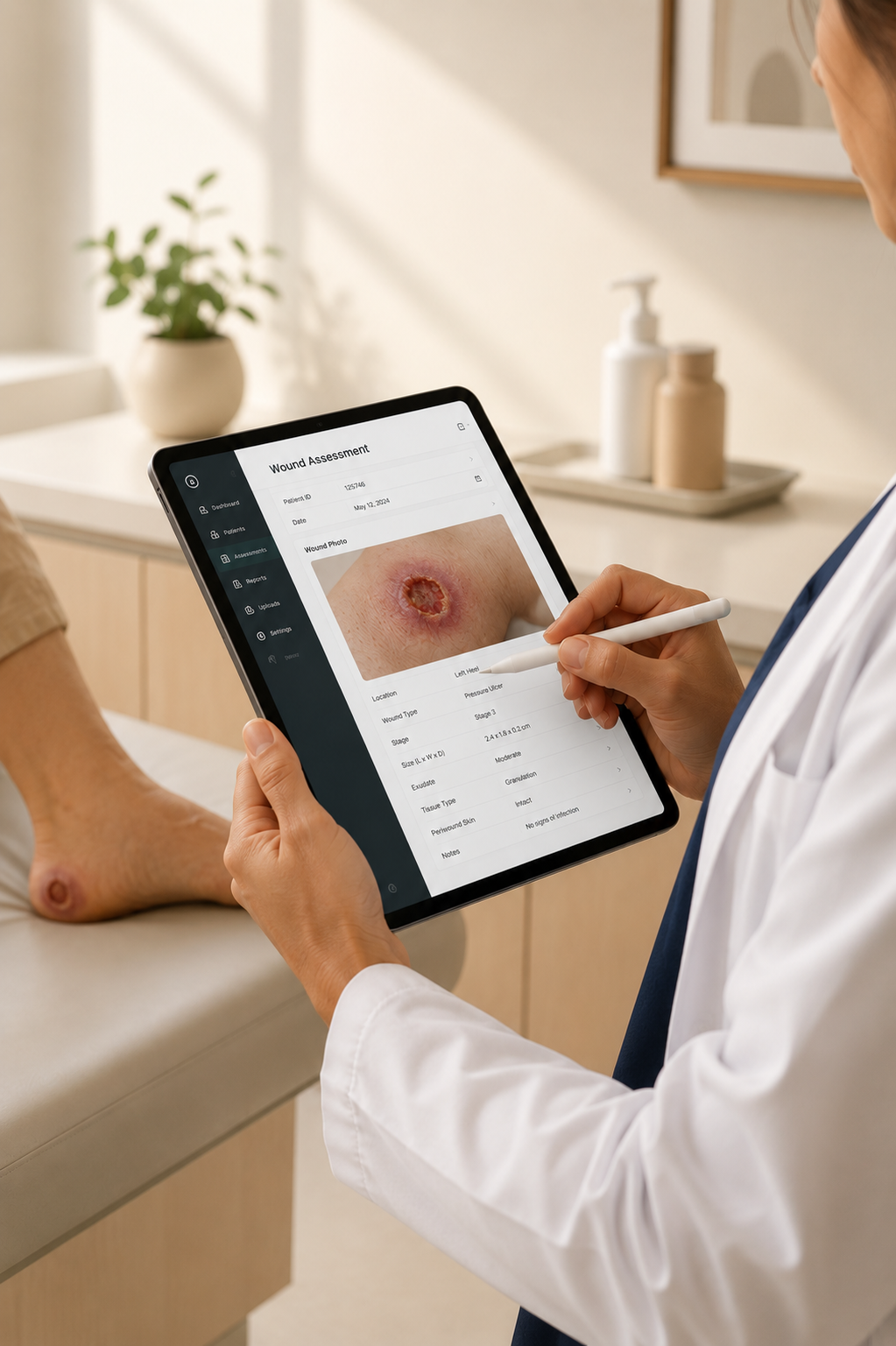
From admission to survey day, AI works with your staff




Daily rounds — consistent across every nurse, every shift
DON, per diem, or weekend float: the AI produces the same objective measurement and description every time. Five nurses, one standard.
01
At admission — objective baseline in 60 seconds
Point any staff phone at the wound. AI detects borders, measures, and time-stamps a defensible baseline — protecting your facility from "developed-in-care" allegations on day one.
02
Survey day — documentation that defends itself
The surveyor asks for the wound's history; you produce a complete, image-anchored, AI-validated record — every measurement, every stage change, every intervention, time-stamped.
03
Weekends & off-hours — no more 64-hour gaps
Wounds discovered Friday don't wait until Monday. Healing Trajectory AI flags escalation before progression, not after — so your on-call physician can act.
04
The six margin killers inside every podiatry practice
The six silent risks inside every SNF
Are you being cited for F686?
Inadequate pressure ulcer prevention is the most common quality-of-care deficiency in skilled nursing. One citation can trigger civil monetary penalties, denial of payment for new admissions, and Star Rating damage that follows you for years.
Is a stage-one becoming a stage-three on your watch?
When intake assessments are done by per-diem or travel nurses without specialized wound training, an already-advanced wound gets under-documented on day one — and your facility gets blamed for the progression.
Is weekend coverage creating 64-hour treatment gaps?
Wounds discovered Friday afternoon often wait until Monday for specialist input. By then, what was preventable has progressed — and the documentation trail won't defend you.
Are five nurses documenting the same wound five different ways?
Without an objective measurement standard, every nurse describes wounds differently — contradictory chart entries, and zero defensible baseline when the surveyor asks for one.
Are you paying for wound consults you can't get on demand?
Wound nurses and visiting physicians round once or twice a week. Between visits, your floor staff are guessing — and your liability is growing every shift.
Is inaccurate wound staging costing you on the MDS?
Incorrectly staged pressure injuries on the MDS directly impact your PDPM reimbursement and quality metrics. One missed stage-three affects your Star Rating, your revenue, and your survey risk — simultaneously.
Podiatric documentation is defensible by default.
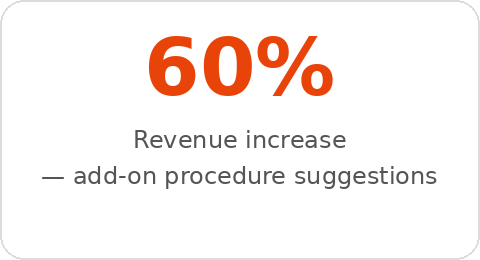
Debridement depth in free-text narrative
CTP documentation checked after the denial
Class findings reconstructed from memory
DFU progress is judged visit-to-visit, by eye
Charting after hours, coding by guesswork
Patients leave with a paper handout
✕ Without WoundScribe On Foot
Depth is documented in the code, image-anchored
LCD checklist validated in the room
Qualifying findings captured ambient, structured
Healing curves tracked with predictive scoring
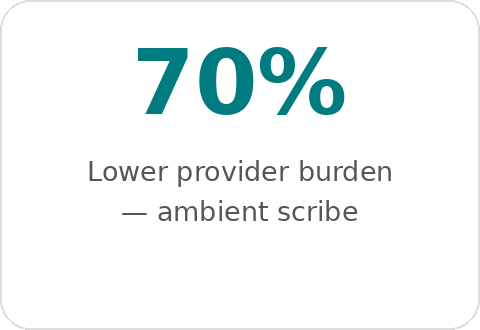
95%+ accurate, audit-ready billable charts
Pingoo coaches daily foot checks at home
✓ With WoundScribe On Foot
Our research is co-authored with the world's most-cited wound care researchers.
CLINICAL SCIENCE

Journal of Diabetes Science and Technology
Building Trustworthy Generative AI for Diabetes Care and Limb Preservation — co-authored with Dr. David G. Armstrong.

Journal of the American Podiatric Medical Association

Responsible AI for Personalized Patient Education — a diabetes education & limb preservation case study, co-authored with Dr. David G. Armstrong.
International Artificial Intelligence and Data Science Congress
Trustworthy AI health agents for Ozempic and post-operative education in diabetic limb preservation — co-authored with Dr. David G. Armstrong.
BUILT FOR THE REALITIES OF LONG-TERM CARE
Designed for your facility, not a clinic
Works alongside PointClickCare & MatrixCare
No rip-and-replace required. WoundScribe layers onto your existing EHR.
HIPAA-compliant, BYOD-ready
Any iOS or Android device your staff carries. No hardware procurement needed.
Works on weak Wi-Fi or offline
Captures at bedside; syncs when signal returns.
Per-diem & travel nurse friendly
Minimal training; AI provides the clinical scaffolding.
Survey-ready exports
Complete wound histories in CMS-defensible format, on demand.
Resident & family education
Documented education via Pingoo — itself a frequent F-tag pressure point.
Built by clinicians for clinicians.
Our president, Dr. Desmond Bell, DPM, CWS, founded the first mobile wound care service in the US in 2003. Our CMO, Dr. Lucian Feraru, DPM, is an active podiatrist who uses these same workflows daily. Our research — including two PubMed-indexed papers on diabetic foot ulcers — is co-authored with Dr. David G. Armstrong, the most-cited podiatrist in the world. When we say this platform understands a debridement note, it's because the people who built it have written thousands of them.


The First Diabetic Foot Manual
We have published the first diabetic foot manual in English for patients, in collaboration with prominent researchers and advocate for limb preservation.
Ready to defend your facility before the surveyor arrives?
PROTECT YOUR NEXT SURVEY
Join the podiatrists using WoundScribe On Foot to document at the depth the code requires, survive LCD scrutiny, and keep DFUs on the healing curve.