The most common reasons WISeR prior authorization requests come back non-affirmed for wound care — and what to change before resubmitting.
Non-affirmation isn't a coverage denial. It's usually a documentation gap CMS's reviewer couldn't fill in. These are the questions wound care clinics ask most once the first rejection lands.
CMS WISeR moves Medicare Part B scrutiny up front for wound care, skin substitutes, and other select services in six states starting January 2026.
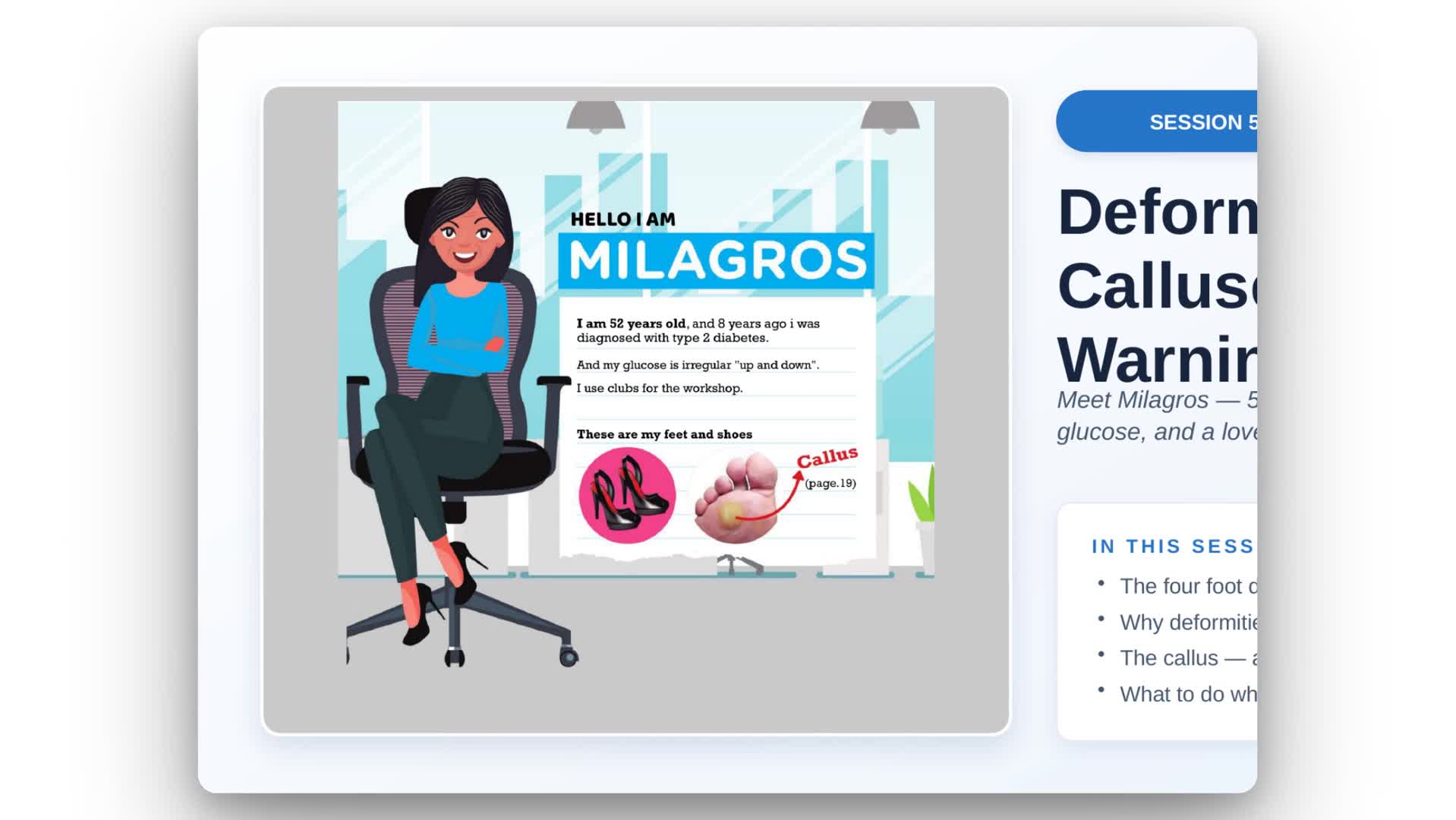
Episode 5 of the Diabetic Foot Manual: why heels and narrow shoes drive four common foot deformities, why a callus is an early warning sign of ulceration, and the simple do/don't l
Six specialised AI agents work as one inside WoundScribe — drafting notes, reading wound images, suggesting codes, and catching audit risk before you sign.
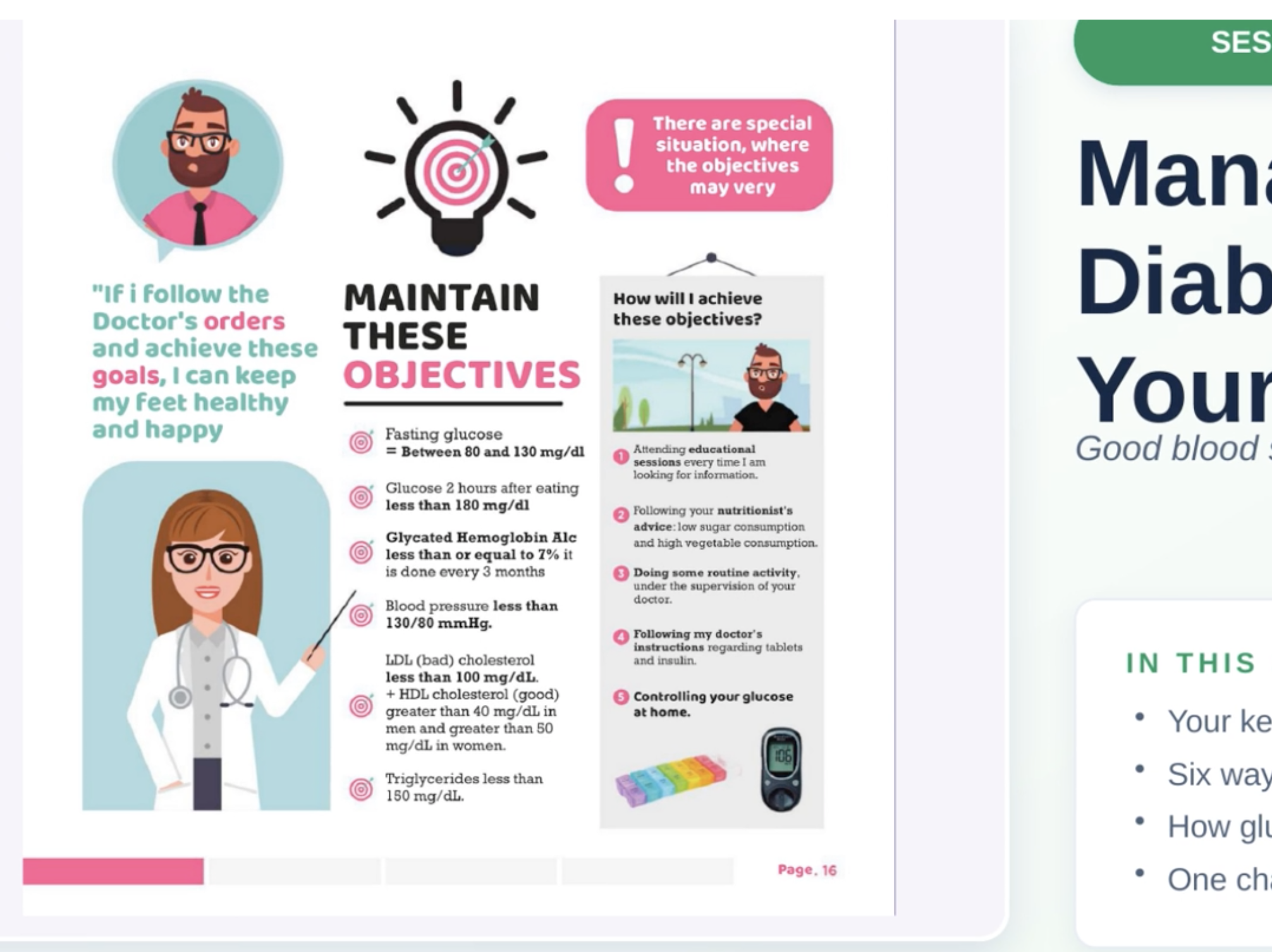
Session 4 of the DFU Manual connects diabetes control to foot health: know your target numbers, follow six daily habits, and protect the nerves and vessels that keep your feet heal
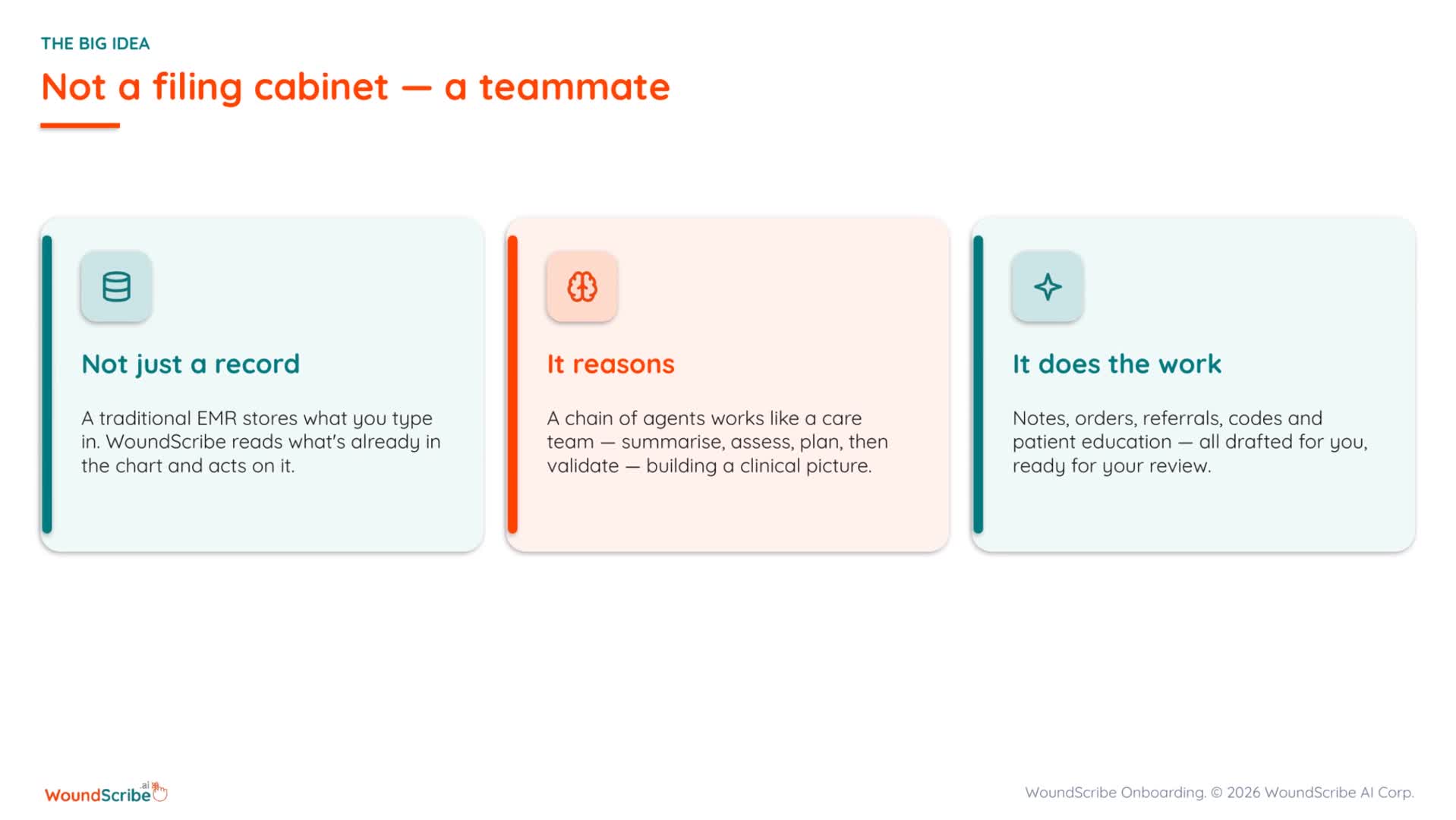
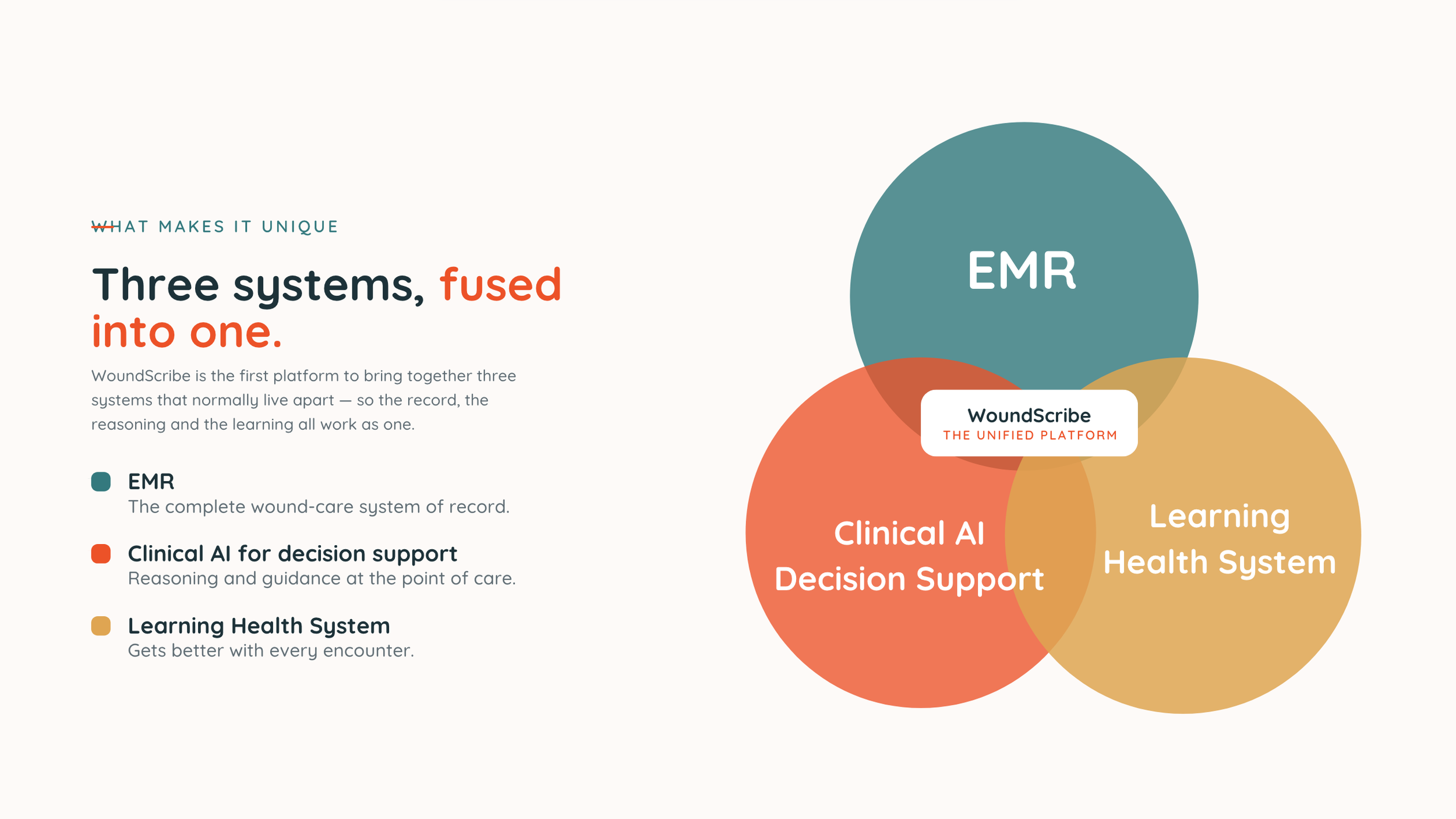
WoundScribe is an AI-native wound care EMR where a chain of four agents drafts notes, orders, referrals, and codes — and a clinician signs off on every step.
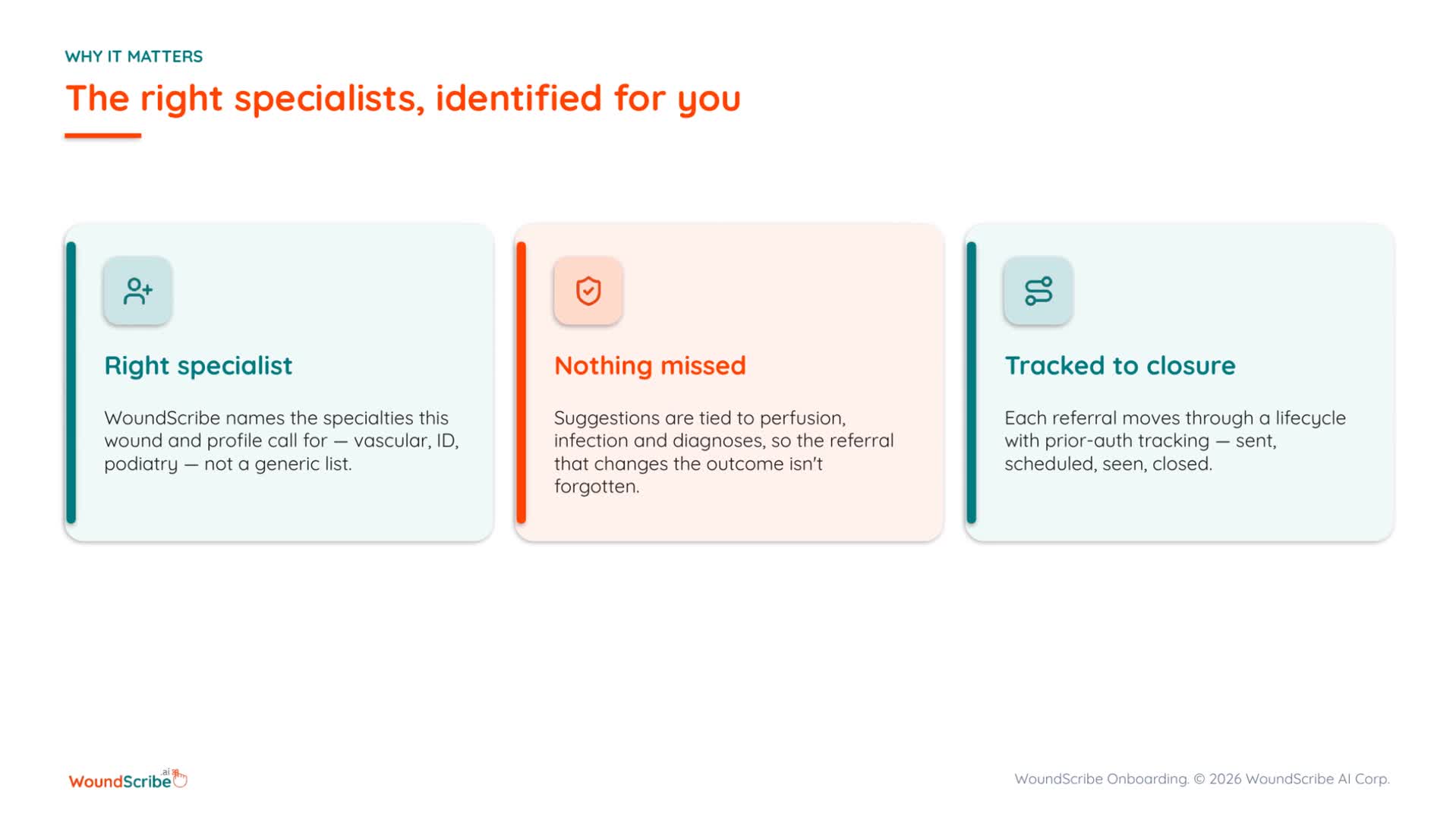
WoundScribe's referrals module names the right specialists, ties each suggestion to clinical facts, prefills the order, and tracks every referral through to closure with prior-auth
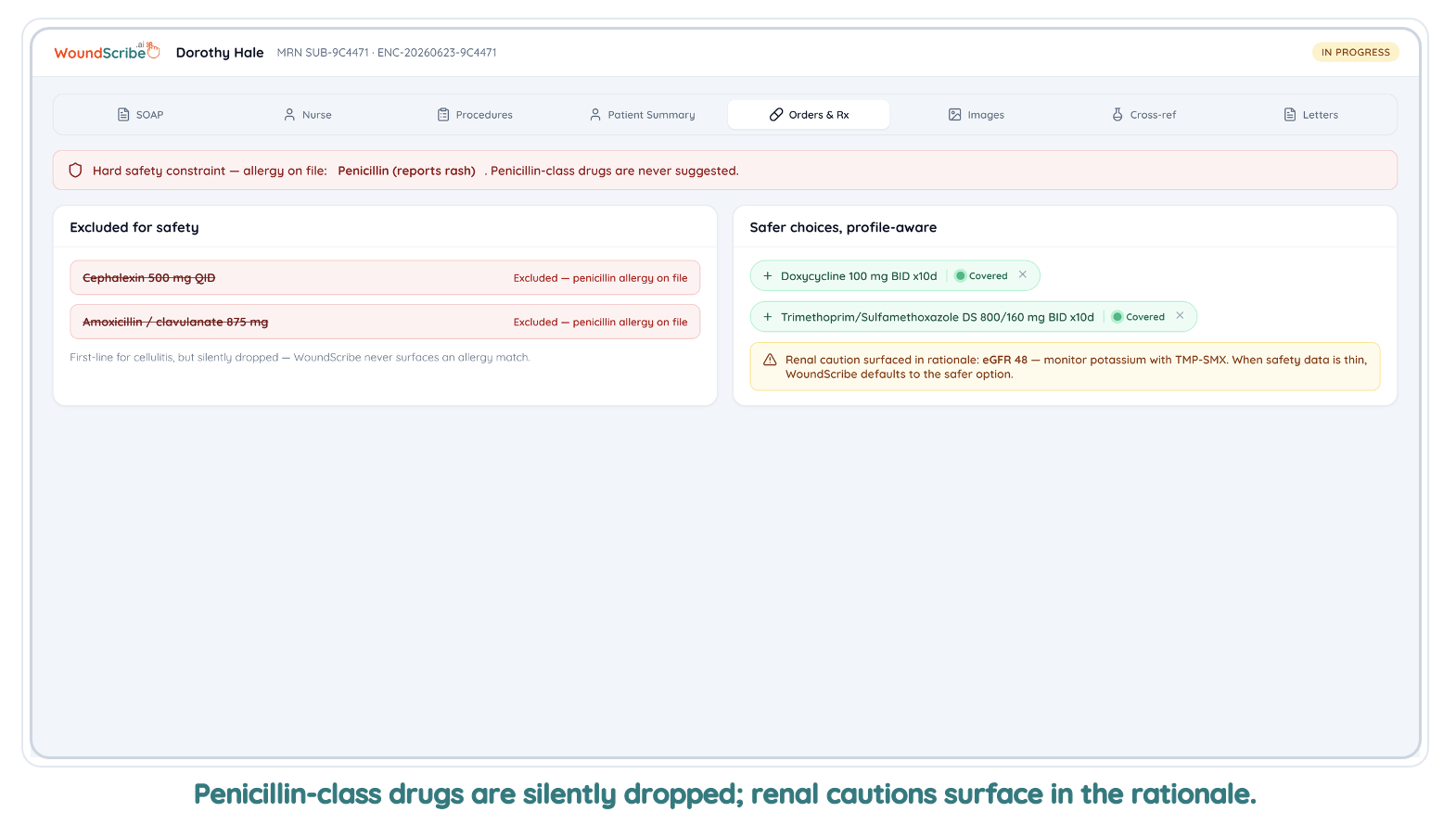
WoundScribe's prescription engine suggests medications that are relevant to the wound, safe for the patient, and fillable on their insurance — with allergies as hard limits and cov
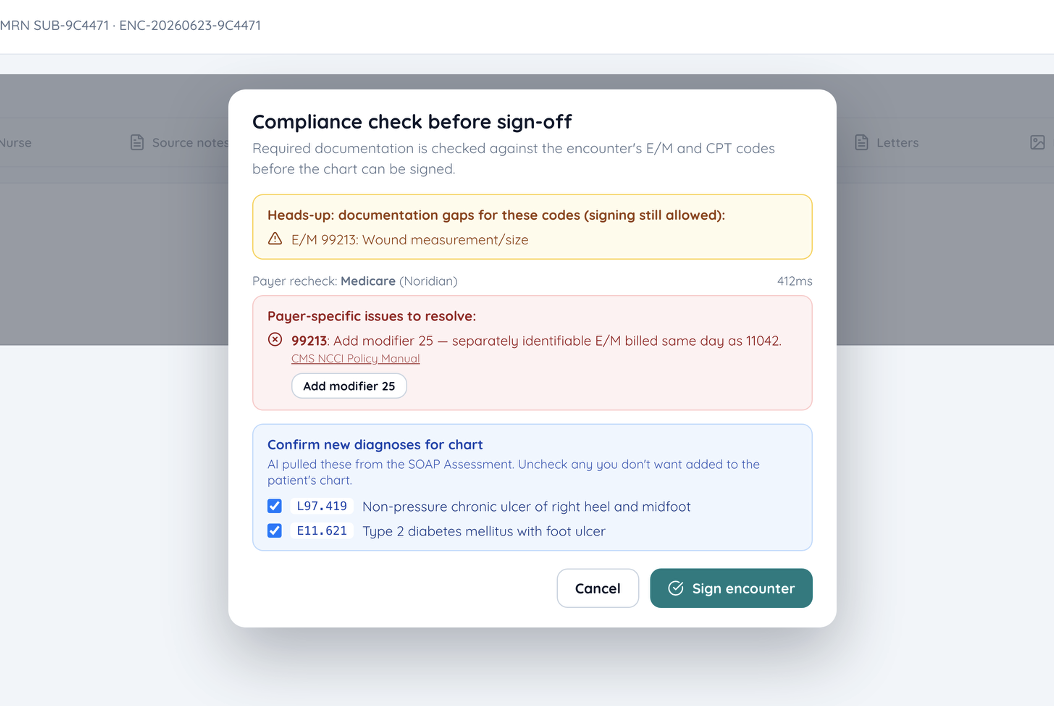
Walk through a diabetic foot ulcer encounter in WoundScribe — from intake verification to a signed, audit-ready chart with synced SOAP notes, billing codes, and compliance checks.
How WoundScribe suggests, links, and locks in E/M and CPT codes for every wound-care encounter — then assembles an audit-ready superbill.
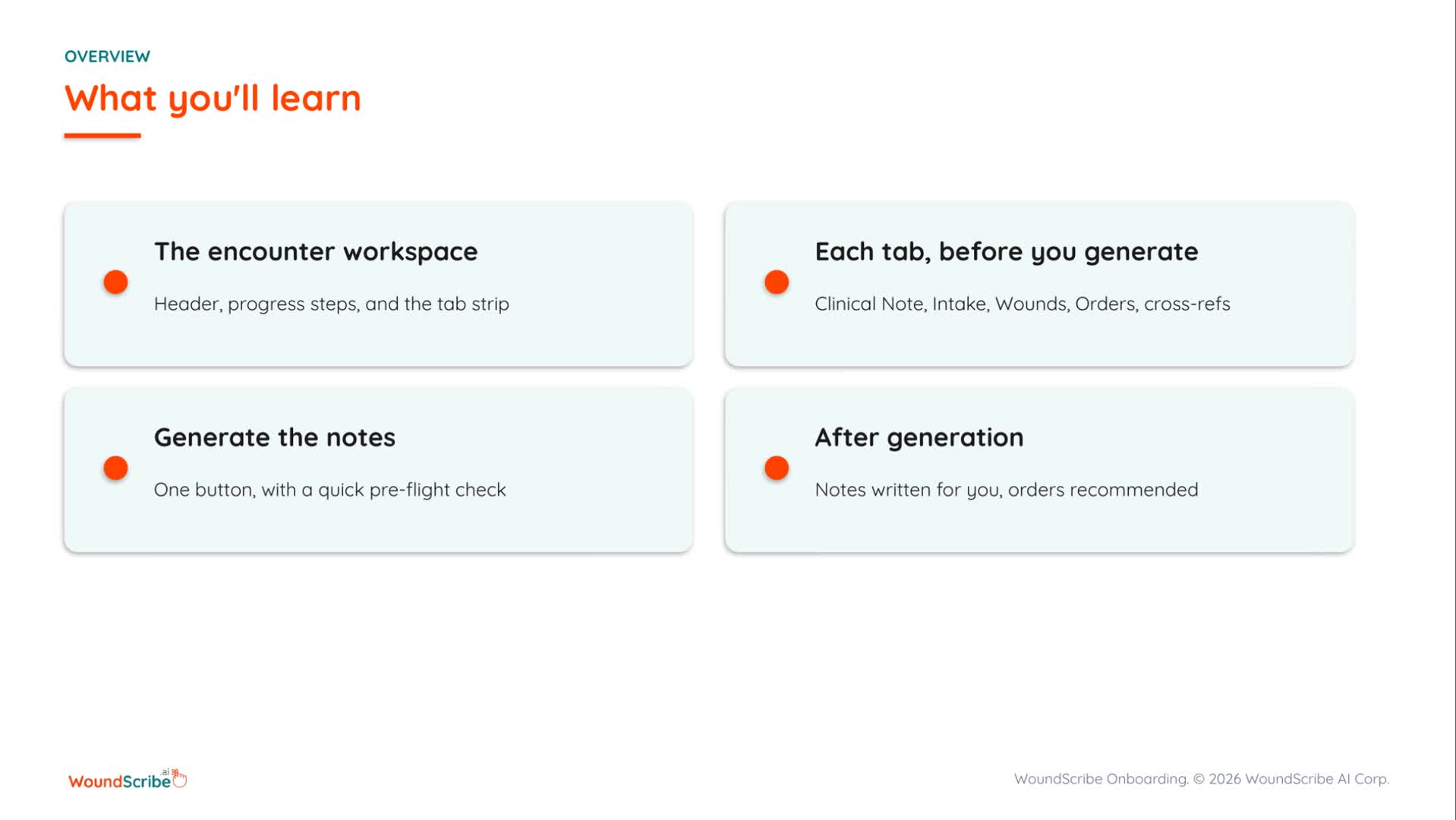
A step-by-step walkthrough of running a wound care encounter in WoundScribe AI — from the Clinical Note tab to signed orders — using one Generate Notes pass.
10 daily commandments that protect the feet of every person with diabetes.
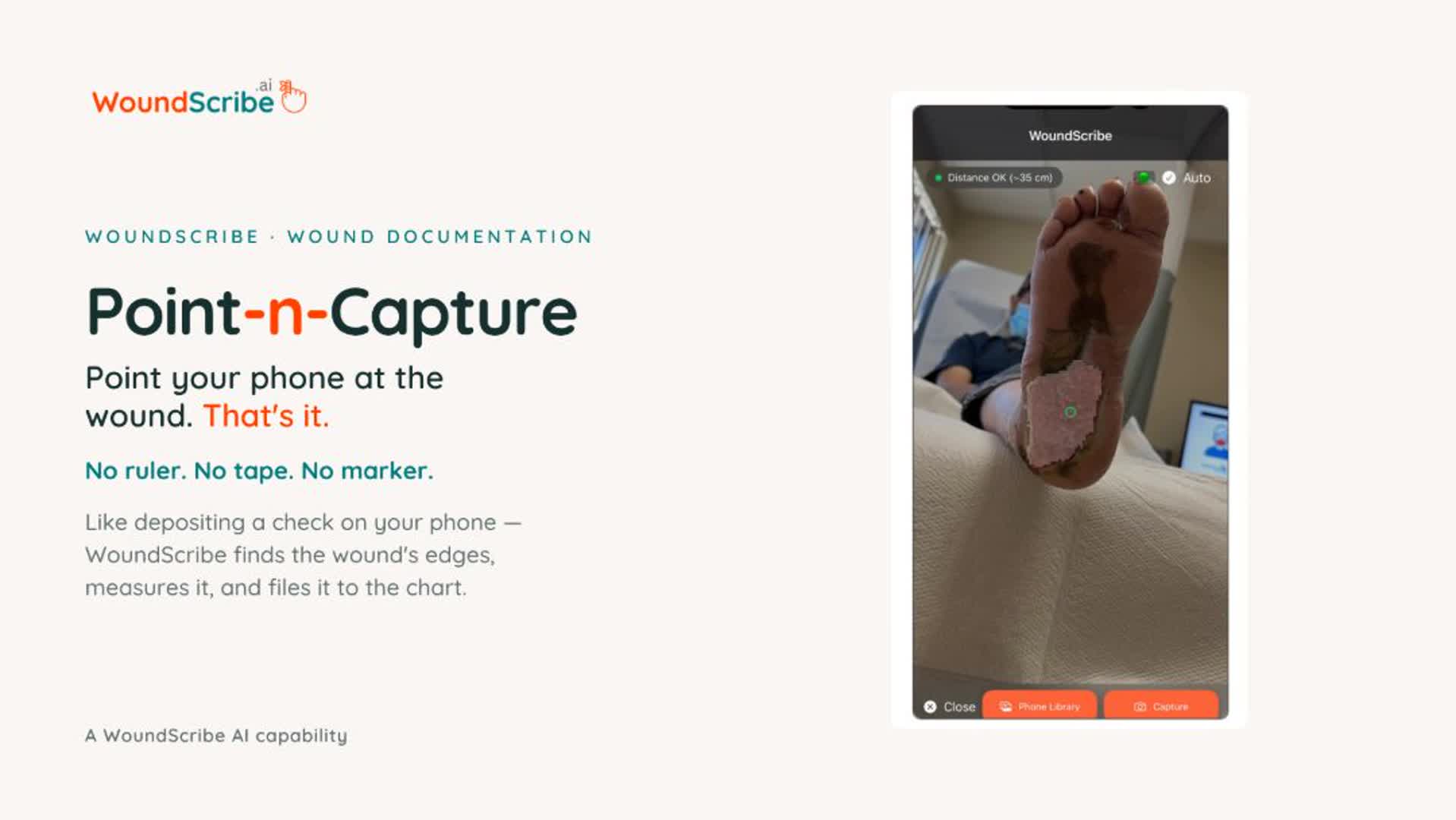
AI-Powered Wound Measurement, means accuracy, consistency and efficiency.
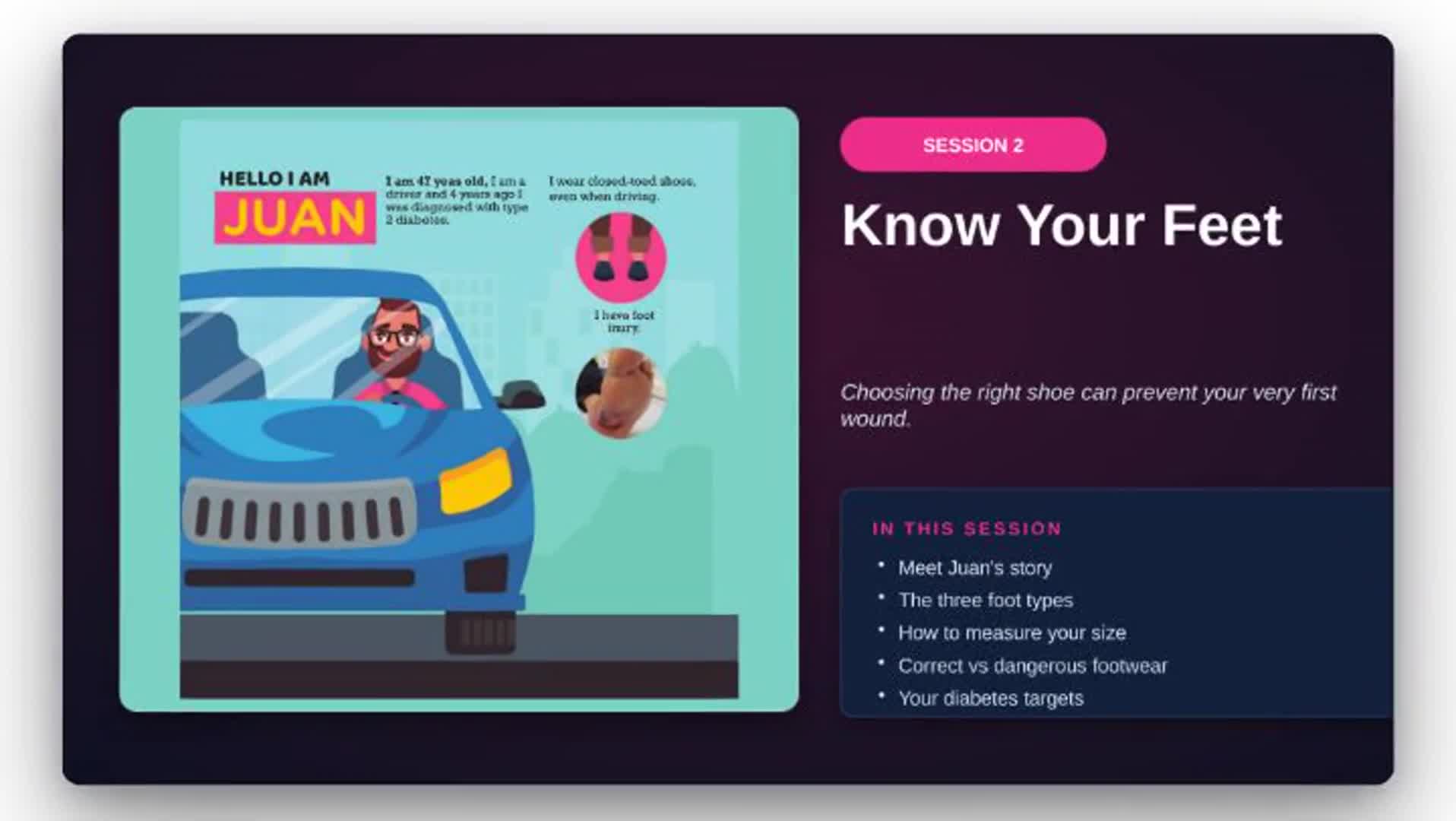
Session 2 of the diabetic foot series breaks down the three common foot types — Egyptian, Roman, and Greek — and the exact shoe rules that prevent pressure wounds.
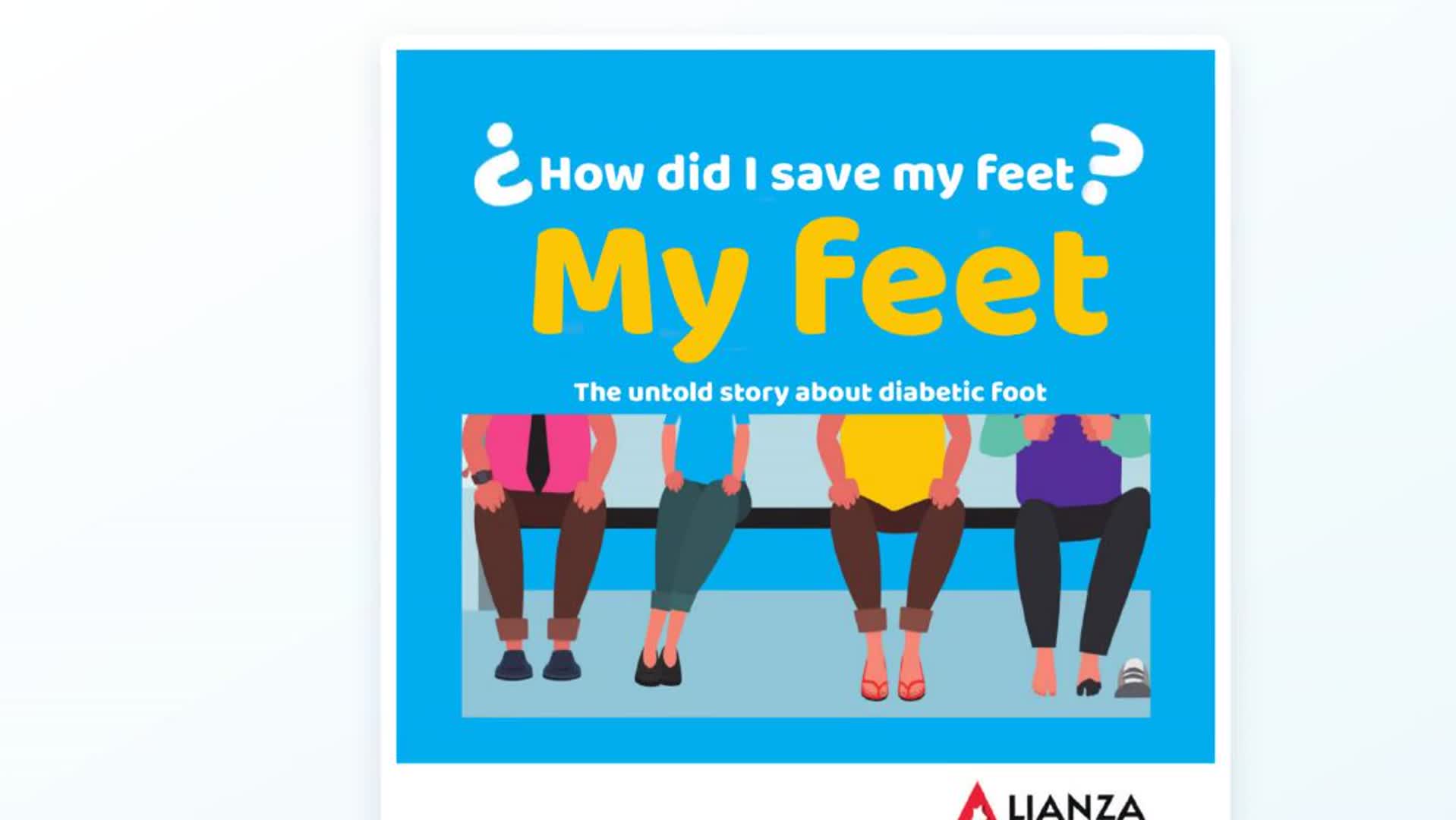
A wound you can't feel can cost you a limb — here's how to stop it.
Five wound care platforms compared — only one covers the entire encounter in a single AI-native workflow.
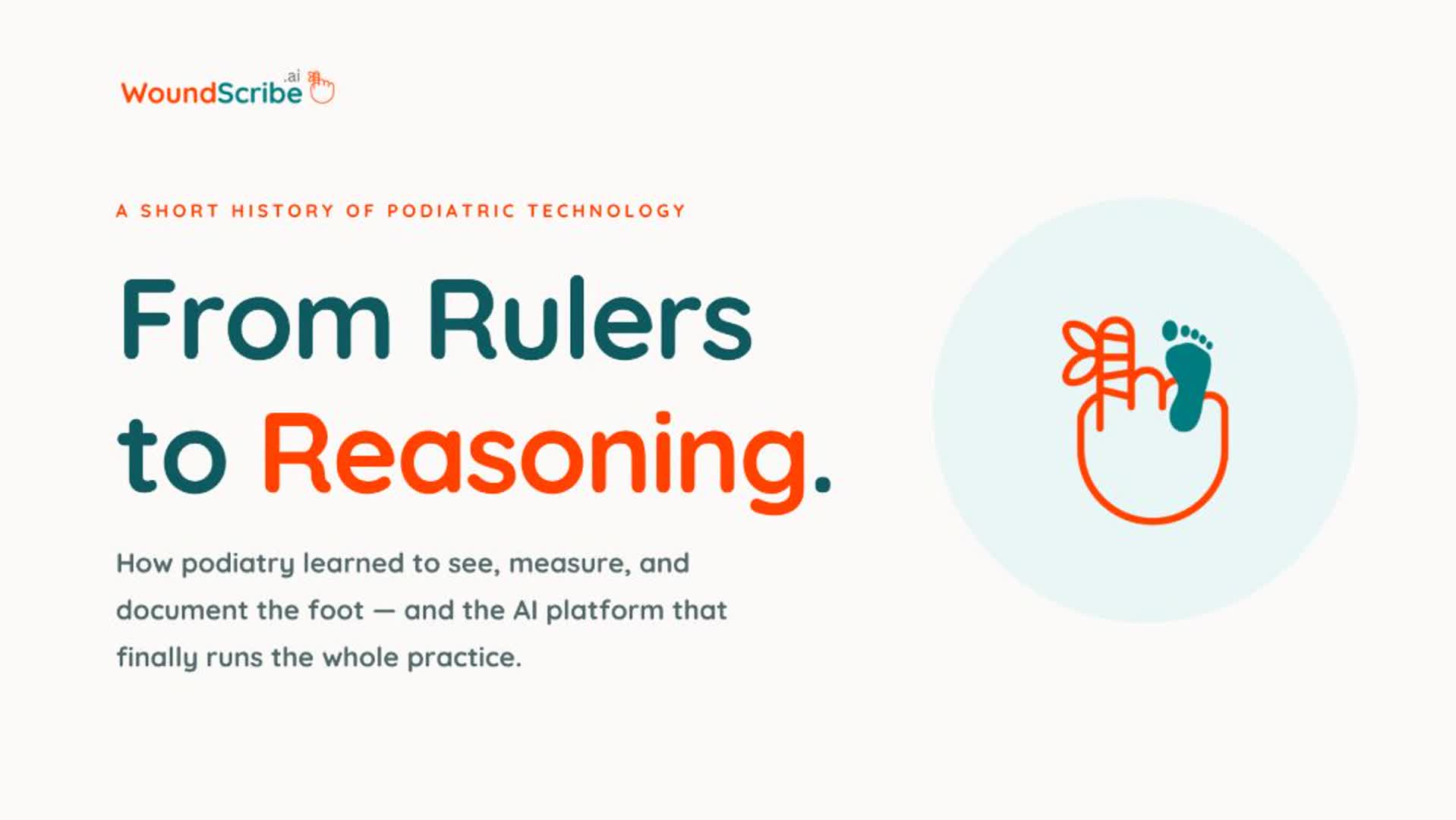
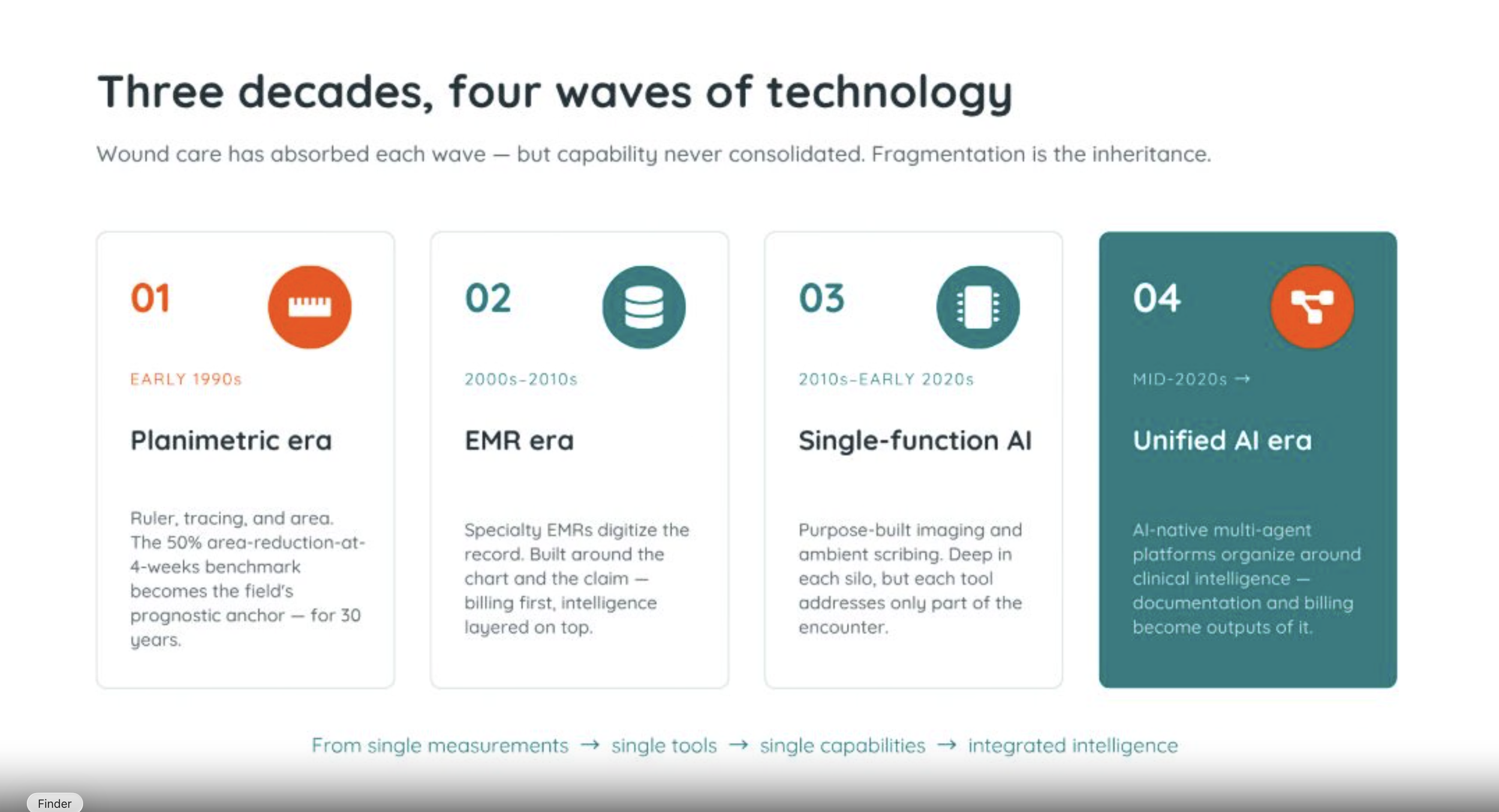
From paper rulers to reasoning AI — meet the platform that finally runs the whole podiatry practice.
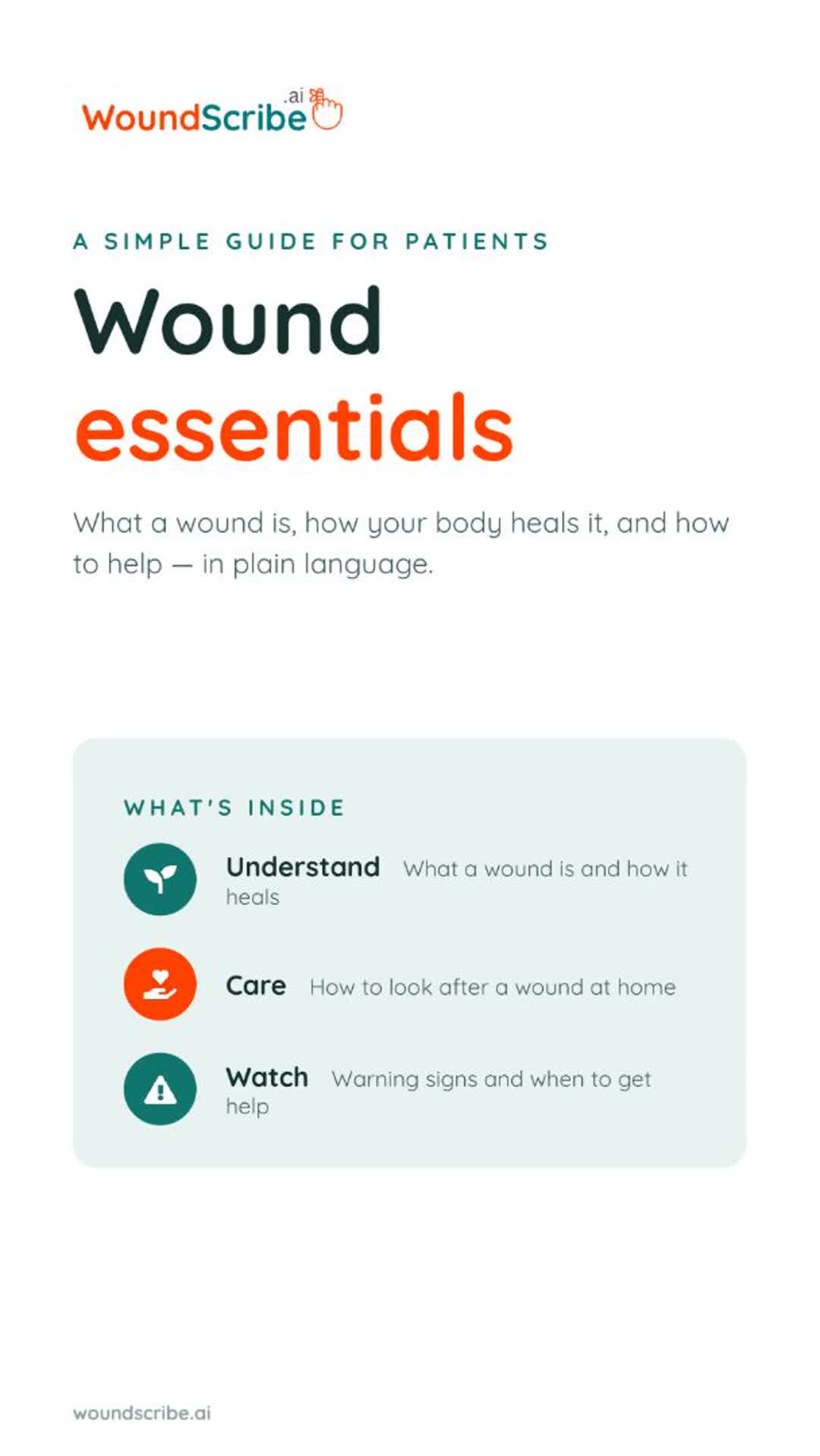
Wound Essentials: a plain-language guide to how your skin heals and how to help it along.
Same patients. Same schedule. Meaningfully more revenue. WoundScribe AI streamlines the entire wound care encounter — imaging, charting, coding, education and billing — turning hours of documentation into minutes, and surfacing the billable work that quietly slips through the cracks.
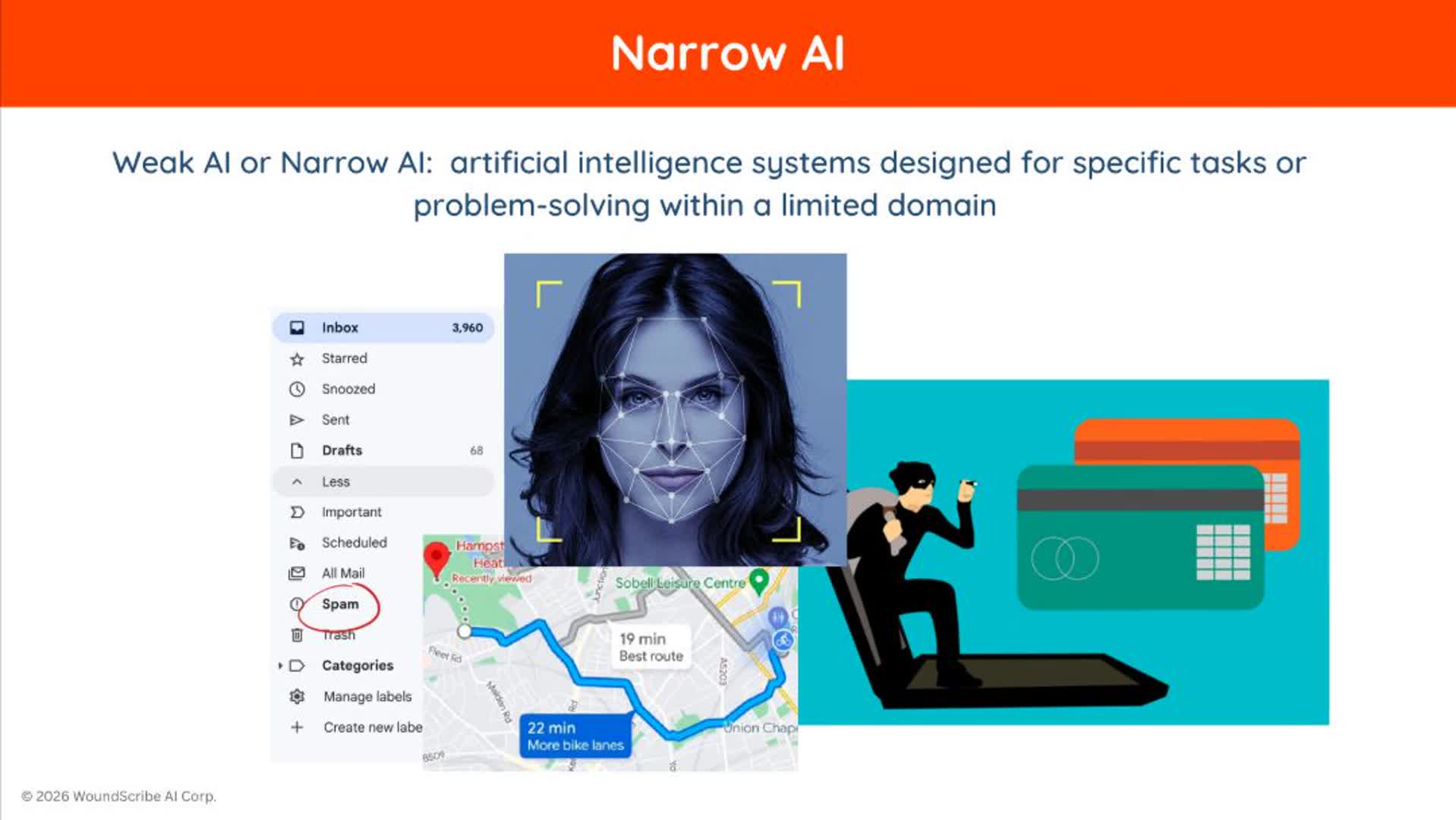
Not all AI belongs in wound care. Here's the kind that does.
See how use of WoundScribe saves 60% of your time per patient encounter throughout the encounter, step by step.
WoundScribe’s predictive model transforms wound data into actionable insights, revealing healing trajectories, treatment effects, and AI-driven recommendations for therapies and products.
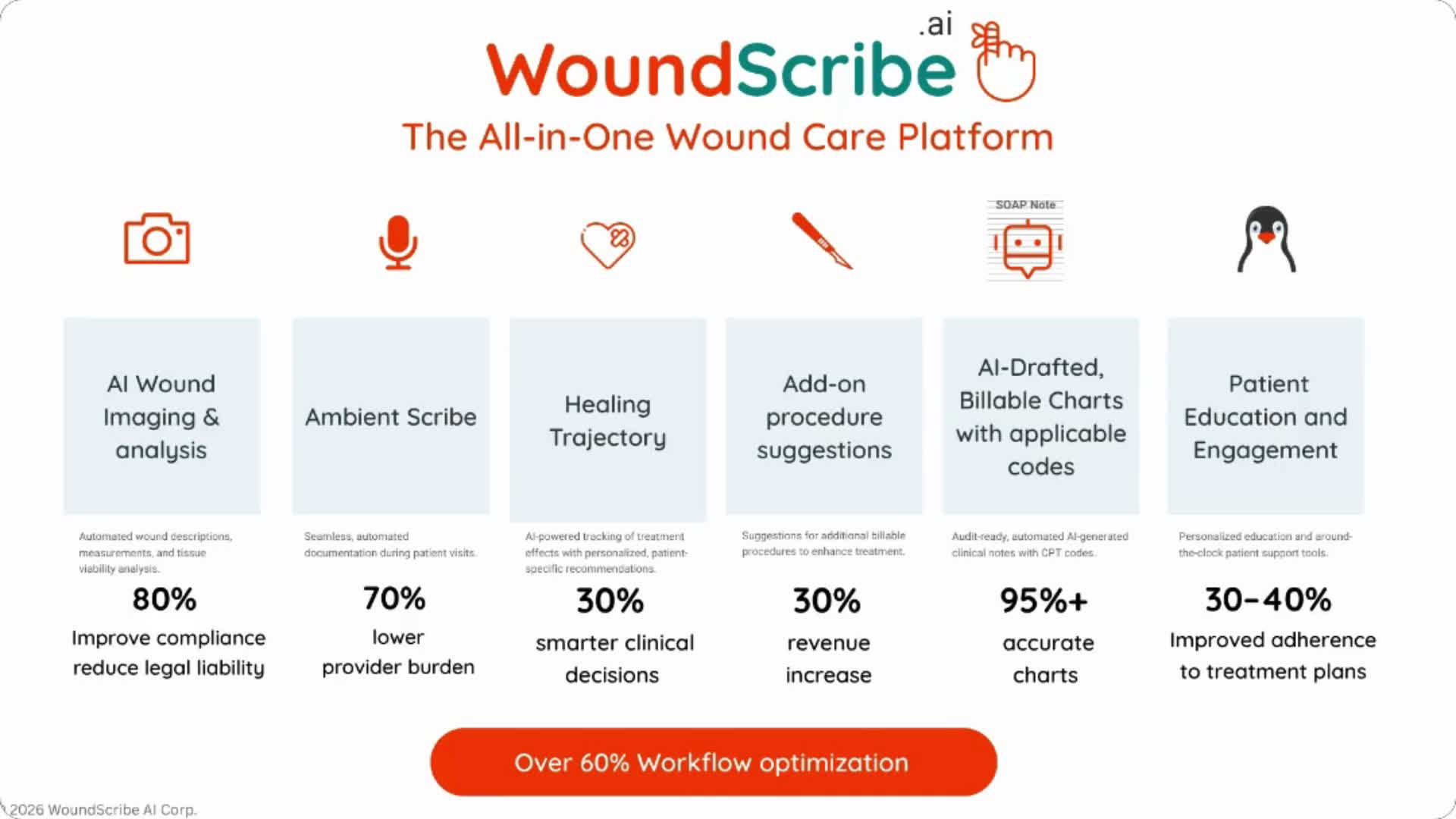
Learn about WoundScribe in one minute to understand how it is modernizing wound care with AI, beyond imaging and scribing.
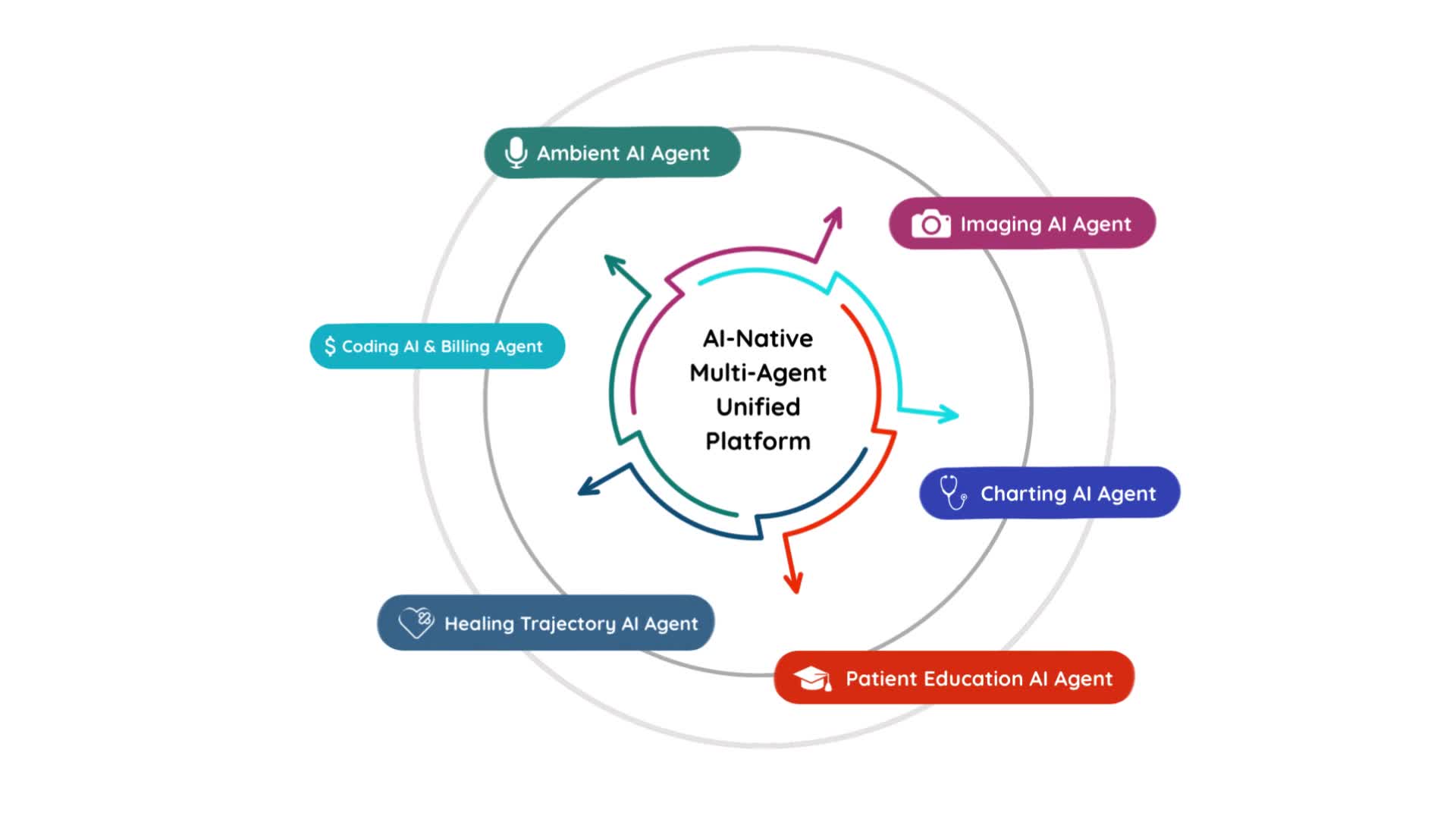
See how WoundScribe's six AI agents work alongside clinicians end to end — capturing the patient conversation, measuring the wound from your phone, generating audit-ready notes, evaluating the healing trajectory, educating the patient, and capturing every billable code. One platform, built for wound care.
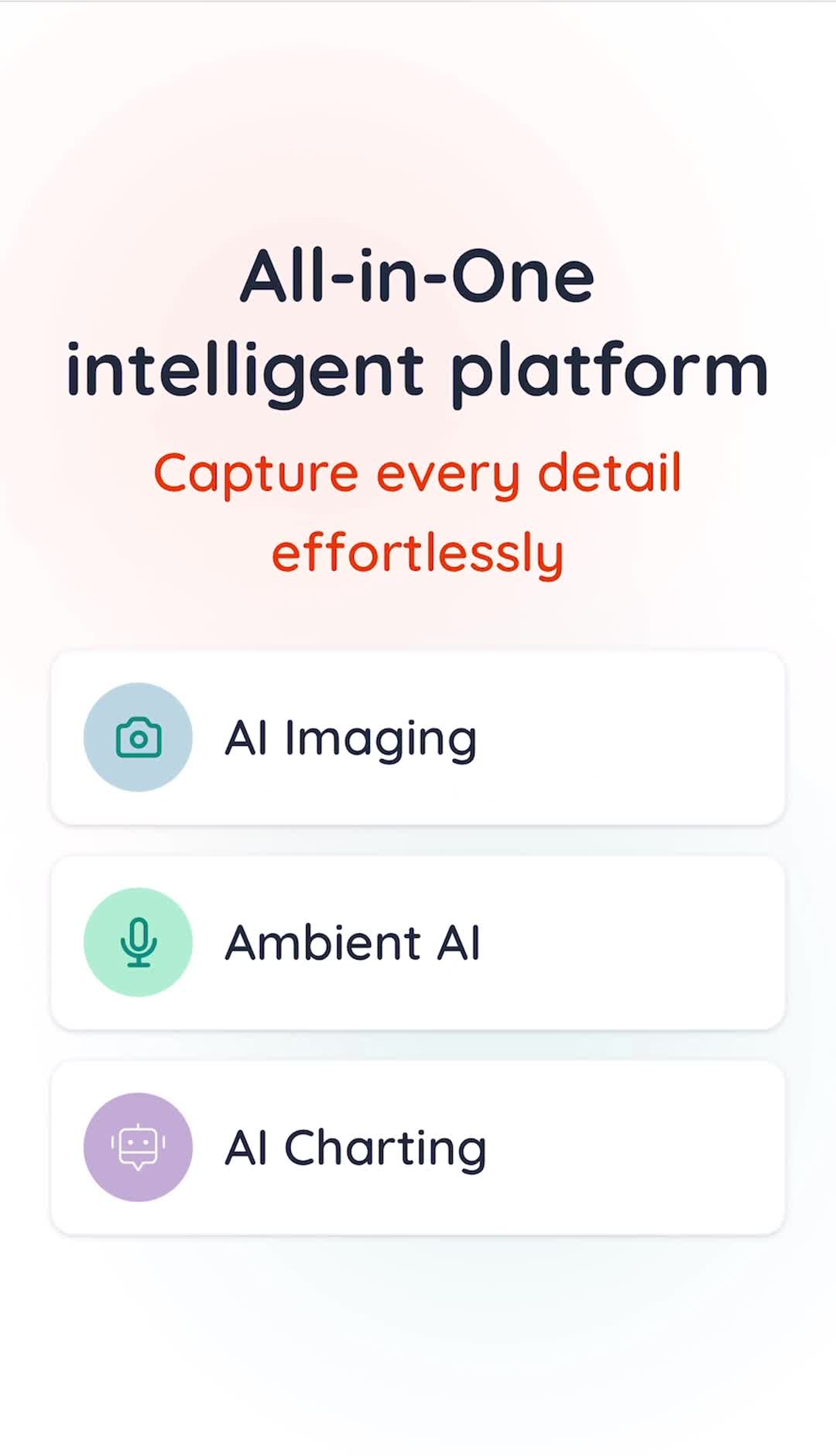
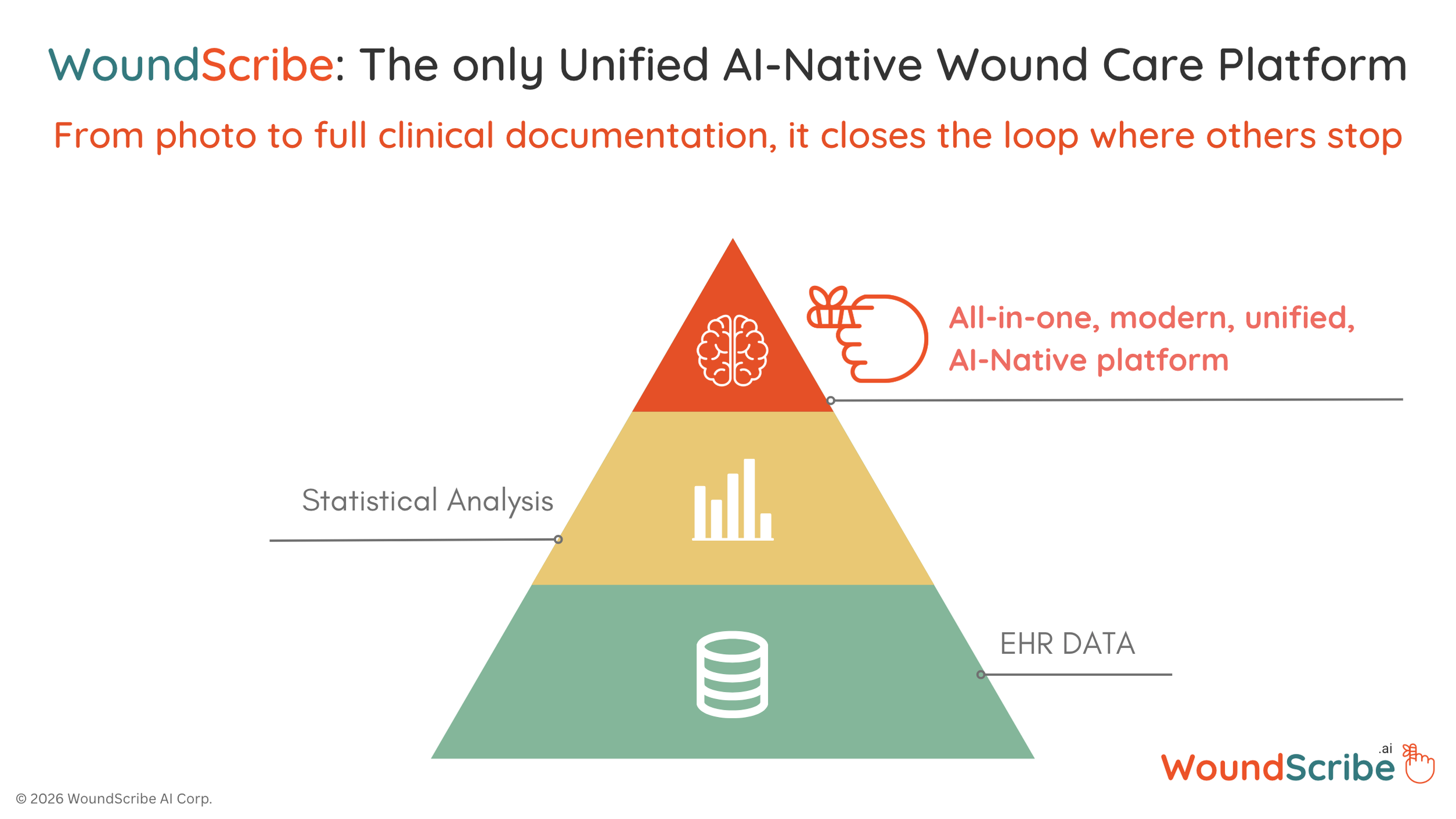
Wound care documentation shouldn't take longer than wound care itself.WoundScribe.AI is an AI-native, multi-agent platform that transforms how wound care providers document, code, and manage clinical workflows.
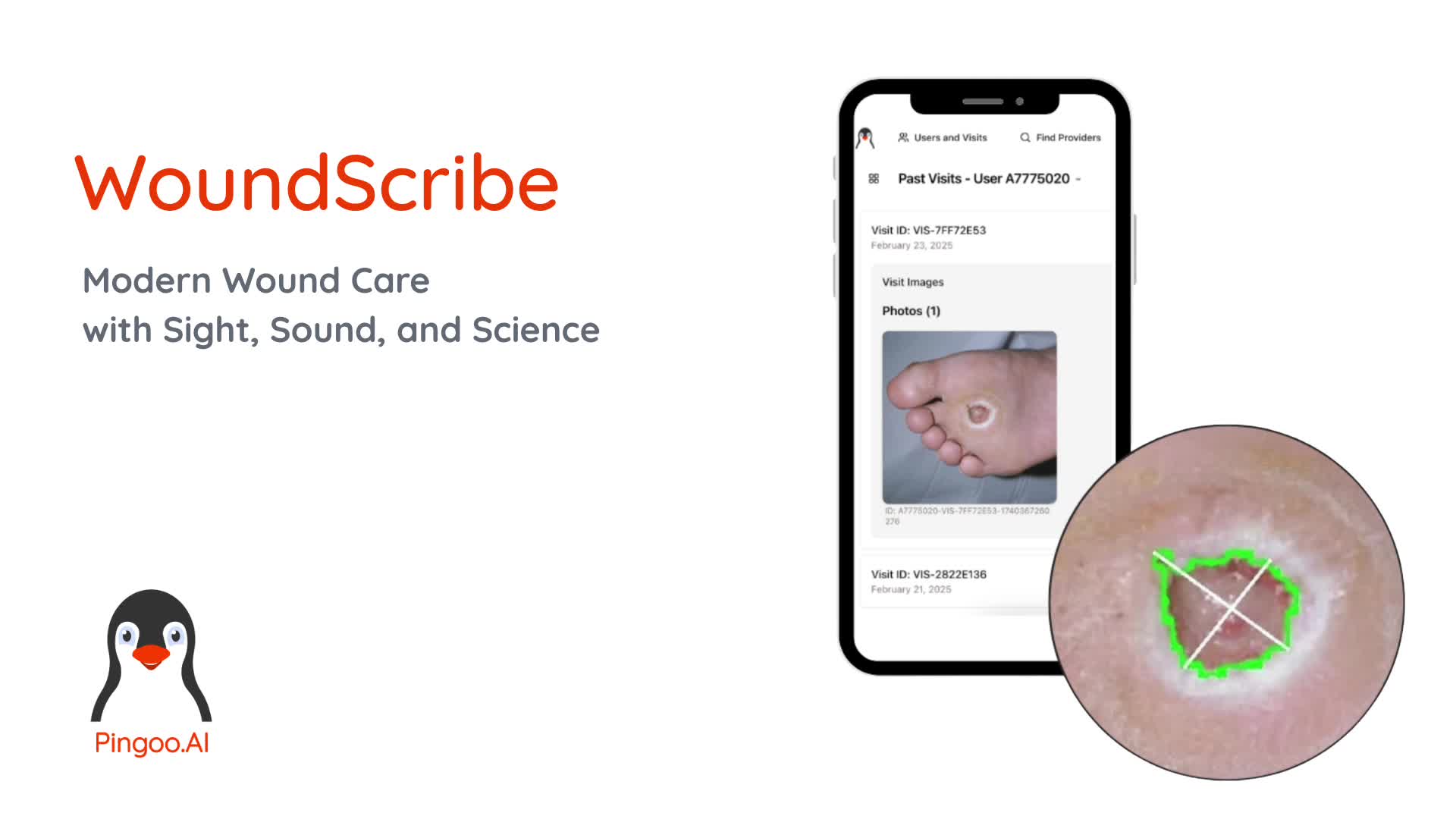
WoundScribe is more than an AI wound documentation assistant — it’s a complete AI wound care platform. In this video, discover the 7 key benefits that set it apart:
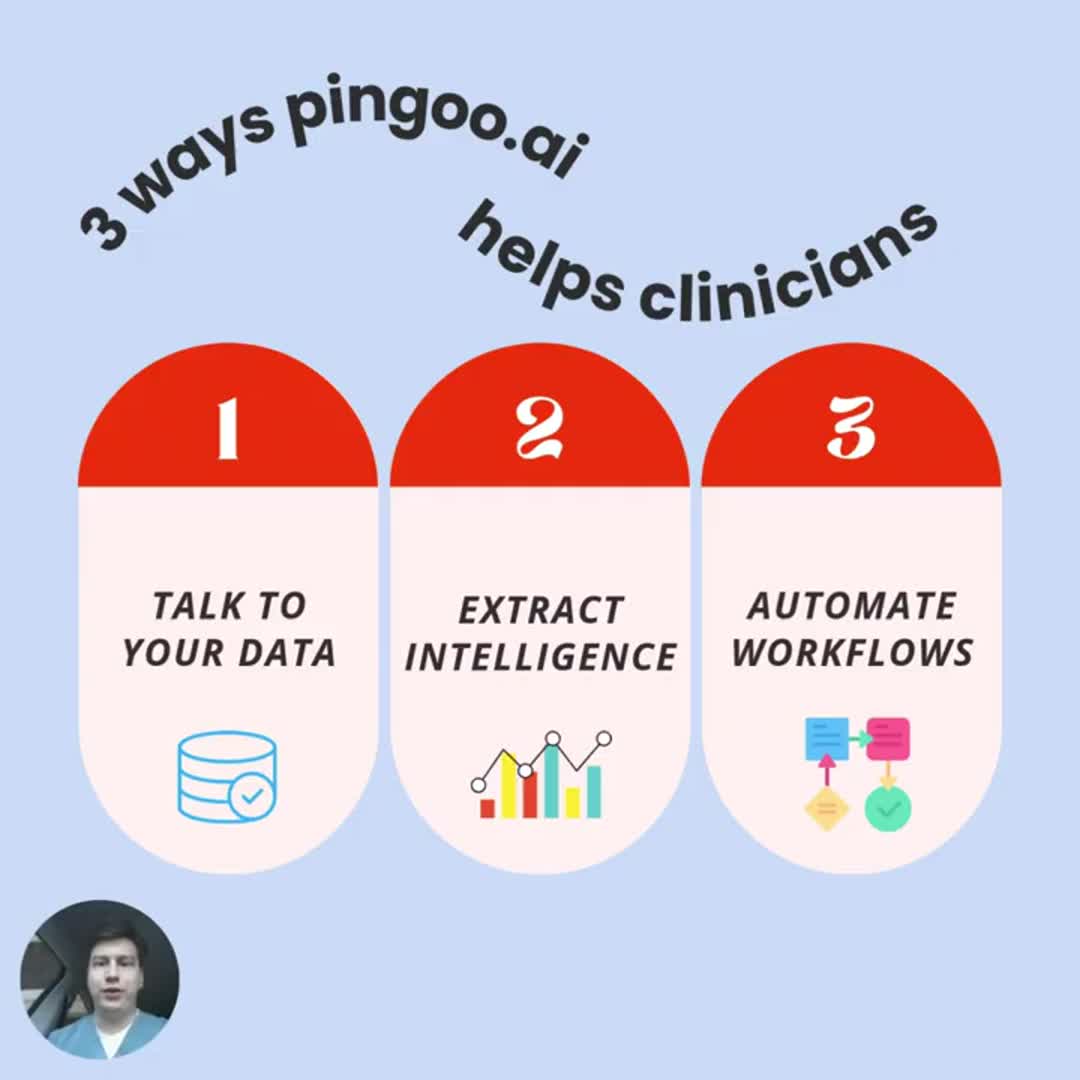
Talk to your patients’ data—literally. This short explainer shows how Pingoo.ai, an AI assistant for doctors and healthcare providers, turns conversations and EHR data into structured notes, predictions, and revenue insights—so clinicians can spend more time with patients and less time on paperwork.
Discover how Pingoo transforms a simple wound photo into accurate, comprehensive clinical documentation in minutes. See smart cropping, AI-powered analysis, professional annotations, and easy note adjustments — all in one seamless workflow for healthcare professionals.

Pingoo can chat with you and answer your questions about diabetes and diabetic foot ulcer.
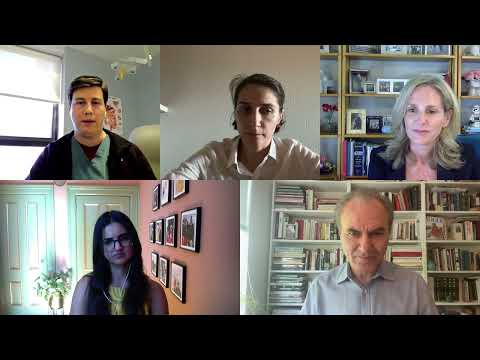
Pingoo .AI Team interview with Suzy Engwall, Healthcare Innovation Strategist and Angel Investor
Every 20 seconds, an individual loses a limb to diabetes. Up to 85% of these amputations can be prevented. We have made that our mission.